The Secret Ingredient for Crispy Wings: Baking Powder Explained
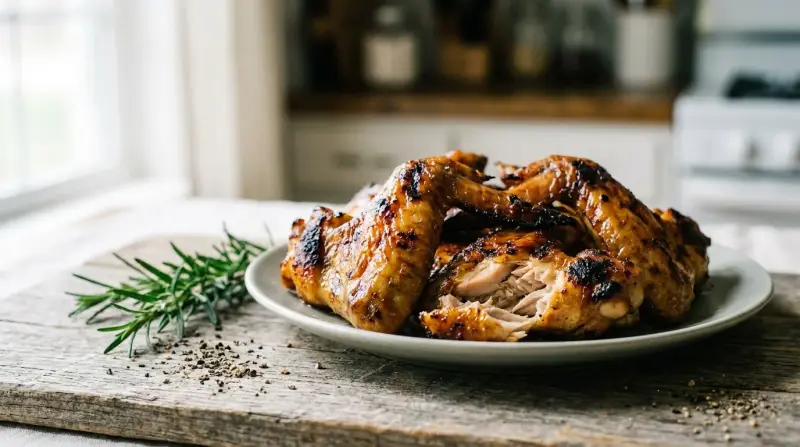
Baking powder is the secret ingredient that turns ordinary wings into ultra‑crispy, golden pieces by raising the skin’s pH and helping moisture evaporate during high‑heat cooking.
How Baking Powder Creates Crunchy Skin
When baking powder contacts the chicken skin, the alkaline salts raise the surface pH a few points. This weakens the protein matrix, allowing it to break down slightly when heated. At the same time, the powder’s leavening agents release carbon dioxide, forming microscopic bubbles that lift the skin and create tiny air pockets. As the wings bake or grill at 425°F (218°C)–450°F (232°C), these pockets expand and the moisture on the surface evaporates quickly, leaving a dry, blistered skin that turns golden and crisp.
Using a ½ teaspoon of baking powder per pound of wings provides enough alkalinity without giving a metallic taste. The powder should be mixed with salt and any dry spices before coating the wings. This dry rub ensures even distribution and prevents the powder from clumping, which could cause uneven browning.
Common Myths About the Secret Ingredient
Many home cooks believe that deep‑frying is the only way to achieve restaurant‑level crispiness, or that a sugary glaze is required for a crunchy finish. While oil can produce a fast crisp, it also adds unnecessary fat and can mask the wing’s natural flavor. The myth that baking soda is the magic powder is partially true; however, baking soda is far more alkaline and can leave a bitter aftertaste. Baking powder, which contains both an acid and a base, balances the pH shift and adds no off‑flavors.
Another common belief is that soaking wings in buttermilk or a wet brine is essential for crisping. Brining does add moisture to the meat, which helps keep it juicy, but excess surface moisture prevents the skin from drying out, the main obstacle to crispness. The best practice is to pat the wings completely dry with paper towels before applying the baking‑powder rub. This step removes the barrier that would otherwise trap steam against the skin.
Step‑By‑Step Method for Crispy Grilled Wings
- Prep the wings. Separate whole wings into drumettes and flats if they are not already split. Discard the tips or save them for stock.
- Dry thoroughly. Pat the pieces with paper towels until no moisture is visible. This step is crucial for the baking powder to work.
- Season the coating. In a bowl, combine ½ teaspoon baking powder per pound of wings, 1 teaspoon kosher salt, ½ teaspoon black pepper, and any additional spices such as smoked paprika, garlic powder, or lemon zest.
- Apply the rub. Drizzle a tablespoon of neutral oil (like avocado or canola) over the wings, then toss them with the dry coating until every surface is lightly dusted. The oil helps the powder adhere and promotes even browning.
- Set up a two‑zone grill. Preheat the grill to medium‑high, about 425°F (218°C) on one side and a lower 300°F (149°C) on the other. Place a foil‑lined tray with a cooling rack on the hot side; the rack allows air to circulate around the wings.
- Grill the wings. Arrange the wings on the rack, leaving a half‑inch gap. Close the lid and cook for 12–15 minutes, then flip and move any that are browning too quickly to the cooler side. Continue grilling until the internal temperature reaches 165°F (74°C) and the skin is deep golden, generally 20–25 minutes total.
- Rest before serving. Transfer the wings to a plate and let them rest 5 minutes. Resting lets the juices redistribute and keeps the skin from sogging from residual steam.
For a complete recipe that uses this technique, see Grilled Chicken Wings: Crispy Wings with Baking Powder Rub. The article walks you through the exact measurements and timing for a foolproof batch.
Tips for Storing and Reheating Crispy Wings
Even the best‑crisped wings can lose their crunch if stored improperly. Place cooled wings in a single layer on a wire rack set over a baking sheet, then cover loosely with foil. Refrigerate for up to 3 days. When you’re ready to eat, reheat in a preheated oven at 400°F (204°C) for 8–10 minutes, or briefly under a broiler, to revive the crispness without drying the meat.
If you need to freeze wings, separate them into individual portions and flash‑freeze on a tray before transferring to a zip‑top bag. Thaw in the refrigerator overnight, then reheat using the oven method above. Avoid microwaving, as it creates steam that softens the skin.
For more context on chicken wing terminology, read What Is “Chicken Wings” in Spanish? Correct Terms Explained. And if you’re curious about the nutritional classification, check out Are Chicken Wings Considered White Meat? The Full Explanation.
A printable recipe card for "Grilled Chicken Wings: Crispy Wings with Baking Powder Rub" is just below the article, ready to download or print.
Frequently asked questions
Can I use baking soda instead of baking powder?
Baking soda is much more alkaline and can leave a bitter taste. It may also cause excessive browning, resulting in a burnt exterior before the interior is cooked through. Baking powder is the safer choice for flavor and texture.
Do I need to marinate the wings before applying baking powder?
Marinating adds flavor but introduces moisture that interferes with crisping. If you choose to marinate, be sure to pat the wings dry thoroughly before adding the baking‑powder rub.
Will the baking powder affect the wing’s flavor?
The amount used is small enough that it does not impart a noticeable taste. Its main role is chemical: raising pH and creating bubbles that lead to a crisp surface.
Is a wire rack necessary on the grill?
A rack lifts the wings away from direct heat, allowing hot air to circulate on all sides. This promotes even crisping and prevents the bottom from steaming in its own juices.
Printable recipe card: Grilled Chicken Wings: Crispy Wings with Baking Powder Rub
Save it, print it, or keep it on your phone while you cook.
Loading the recipe card…