Are Chicken Wings Considered White Meat? The Full Explanation
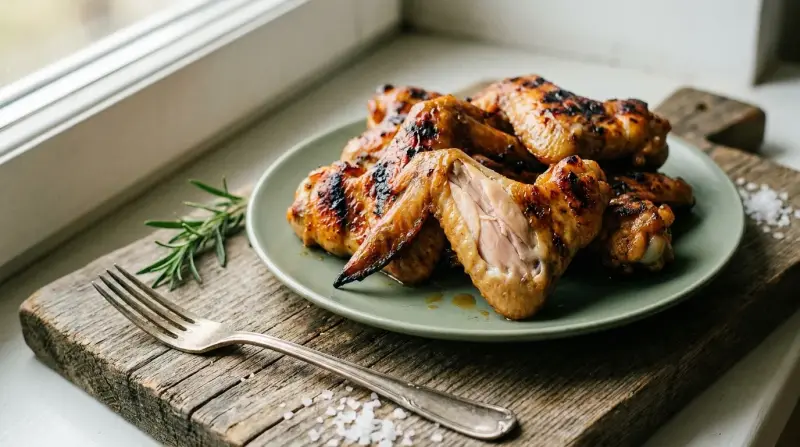
Chicken wings are classified as white meat because the muscle fibers in the wing are fast‑twitch fibers that contain little myoglobin, giving the flesh a pale color, though the higher fat and skin make them behave more like dark meat in cooking.
Comparison of White‑Meat vs Dark‑Meat Approaches for Wings
| Classification | Time to Cook | Effort | Result | Best For |
|---|---|---|---|---|
| White‑Meat Approach | Shorter (10‑15 min high heat) | Simple seasoning, quick sear | Lean, crisp exterior; tender interior if not overcooked | Weeknight meals, health‑focused diners |
| Dark‑Meat Approach | Longer (20‑30 min moderate heat or low‑and‑slow) | More steps – brine, sauce glaze, occasional basting | Moister, richer flavor from rendered fat and gelatin | Game‑day gatherings, BBQ lovers |
Why Wings Technically Belong to the White‑Meat Category
The chicken’s wing is used only for short bursts of flight. Those quick motions rely on fast‑twitch muscle fibers, which store energy in glycogen and contain very little myoglobin, the iron‑rich protein that gives dark meat its reddish hue. Because myoglobin is scarce, the raw meat appears pale, the same as breast meat. USDA guidelines note that any muscle used for rapid, infrequent activity is classified as white meat.
White meat generally cooks faster and can dry out if exposed to high heat for too long. The low myoglobin also means the flavor is milder, so seasonings or sauces become more prominent. For home cooks, treating wings as white meat encourages quick‑cook methods such as grilling, pan‑searing, or high‑heat baking, which preserve the delicate texture.
When Treating Wings Like Dark Meat Improves Results
Although the fibers are white, wings contain about 3.5 % fat and a high proportion of skin, which is 60‑80 % collagen. When collagen reaches roughly 135 °F (57 °C), it converts to gelatin, a substance that locks in moisture and adds a buttery mouthfeel. This gelatinous quality is why many chefs handle wings as if they were dark meat, especially for smoky or slow‑cooked preparations.
Cooking at a moderate temperature (300‑350 °F / 149‑177 °C) for 20‑30 minutes allows the collagen to break down without overcooking the white fibers. Techniques like smoking, low‑and‑slow grilling, or braising in a flavorful broth make use of this fat and gelatin, producing wings that feel richer and stay juicy even after extended cooking.
Practical Cooking Tips Based on Meat Classification
Regardless of how you label them, chicken must reach an internal temperature of 165 °F (74 °C) for safety. Use a probe thermometer inserted into the thickest part of the wing, avoiding the bone.
- White‑Meat style: Pat wings dry, toss with a light coating of oil and salt, and grill over direct medium‑high heat (425‑450 °F / 218‑232 °C) for 6‑8 minutes per side. This method creates a crisp skin while keeping the meat tender.
- Dark‑Meat style: Brine wings in a solution of water, kosher salt, and a pinch of sugar for 30 minutes to boost moisture. Then smoke at 250 °F (121 °C) for 25 minutes, finish on a hot grill for 2‑3 minutes per side to add char.
- For a versatile recipe that works with either approach, try Grilled Chicken Wings: Crispy Wings with Baking Powder Rub. The baking powder raises the skin’s pH, helping it crisp quickly while the meat stays juicy.
If you’re tracking calories, remember that the skin adds most of the fat. The article Why Are Chicken Wings So High in Calories? Explained breaks down the numbers and offers low‑fat alternatives such as removing the skin before cooking.
For air‑fryer fans, the timing differs from a traditional oven. The guide How Long Should Chicken Wings Cook in an Air Fryer? Complete Timing Guide recommends 20‑25 minutes at 380 °F (193 °C) with a shake halfway through, which mimics the high‑heat crisp of the white‑meat method.
A printable recipe card for "Grilled Chicken Wings: Crispy Wings with Baking Powder Rub" is just below the article, ready to download or print.
Frequently asked questions
Do bone‑in and boneless wings have the same meat classification?
Both are made from the wing portion, so they contain white‑meat fibers. Boneless wings are usually cut from breast meat, which is also white, while bone‑in wings retain the skin and fat that give them a darker‑meat feel.
Can I substitute the skin with something else to reduce fat?
Removing the skin cuts the fat by about half, but you also lose much of the gelatin that keeps the meat moist. If you prefer less fat, coat the skinless wings with a light glaze and finish them under a broiler to add crispness.
How long can cooked chicken wings be stored safely?
Refrigerate cooked wings in an airtight container for up to four days. For longer storage, freeze them within two days; they maintain quality for three months when wrapped tightly.
Is there a nutritional difference between treating wings as white or dark meat?
The classification doesn’t change the actual nutrient profile; wings always contain about 3.5 % fat and similar protein levels. What varies is the cooking method, which can add or reduce extra fat from oil, sauces, or butter.
Printable recipe card: Grilled Chicken Wings: Crispy Wings with Baking Powder Rub
Save it, print it, or keep it on your phone while you cook.
Loading the recipe card…