Desserts Recipes
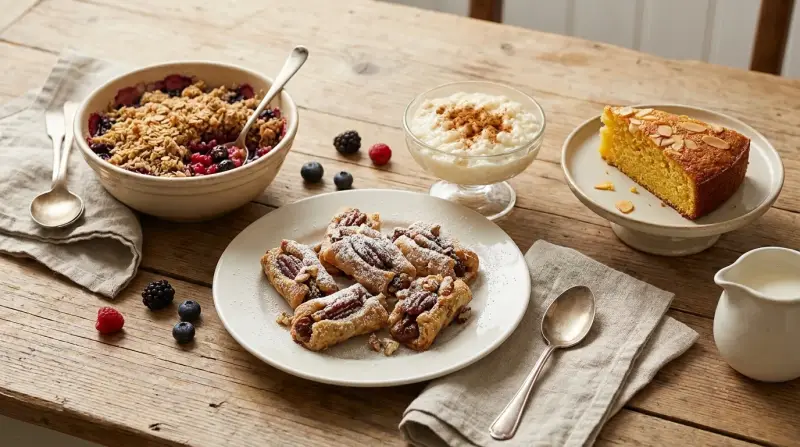
Desserts are the sweet finale to any meal, offering a range of textures and flavors that bring joy to the table. Explore the possibilities of homemade sweets, from comforting classics to innovative creations.
No recipes here yet. Browse everything instead.
What Makes a Dish a Dessert?
A dessert is primarily defined by its sweet flavor profile, but the category embraces far more than sugar alone. Fruit‑based treats, dairy‑rich puddings, nut‑laden confections, grain‑based cakes, and chocolate creations all belong here. Temperature plays a role too—cold ice creams contrast with warm brownies, while a hot crème brûlée offers a caramelized surface over a silky interior. The purpose of a dessert is to provide a satisfying conclusion to a meal, balancing texture, flavor intensity, and visual appeal to leave a lingering sense of pleasure.
Core Flavors and Techniques
Traditional dessert flavors such as vanilla, caramel, citrus, berries, and cocoa serve as a reliable foundation, yet regional ingredients can add exciting twists—think cardamom in a milk‑based pudding or hibiscus in a chilled jelly. Mastering a handful of techniques empowers you to adapt any flavor you desire. Whisking air into batter creates light, fluffy cakes, while folding whipped cream or egg whites preserves that air for mousse and soufflé. Caramelizing sugars deepens complexity, forming the glossy base for sauces, glazes, and toppings. Blind‑baking a crust ensures a crisp foundation before any filling is added, preventing sogginess.
- Whisking and folding – creates light cakes, mousses, and soufflés.
- Caramelizing – adds depth to sauces, toppings, and fruit preparations.
- Blind baking – produces crisp, sturdy crusts for pies and tarts.
- Slow‑cooking fruit – concentrates flavor and softens texture for compotes.
Choosing the Right Dessert for You
Start by matching the dessert to the occasion and the time you have available. A single‑serve mug cake or a bowl of fresh berries with whipped cream can close a busy weekday dinner, while a multi‑layered cheesecake or a croquembouche may be worth the extra effort for holidays and celebrations. Review the ingredient list for allergens, dairy or gluten preferences, and consider swapping honey for maple syrup or using plant‑based milks when needed. Evaluate the required equipment—many elegant desserts, such as a classic tiramisu, need only a shallow dish and a whisk, whereas a flaky puff pastry dessert benefits from a rolling pin and a cold oven.
Storing and Serving Desserts
Proper storage preserves texture and flavor. Baked goods like cookies and bars keep best in an airtight container at room temperature for up to three days; refrigerate cream‑based desserts to maintain stability and avoid spoilage. Freeze‑friendly treats—such as ice cream, sorbet, or individual pound‑cake slices—should be wrapped tightly to prevent ice crystals. When plating, think of contrast: a drizzle of warm caramel over cold ice cream, a sprinkle of flaky sea salt on chocolate, or a burst of fresh berries beside a rich cake. Serve desserts slightly below room temperature to let flavors fully open, and provide optional toppings so each guest can customize the sweet finish.