How to Grill Chicken Thighs: Step‑by‑Step Guide for Juicy Results Every Time
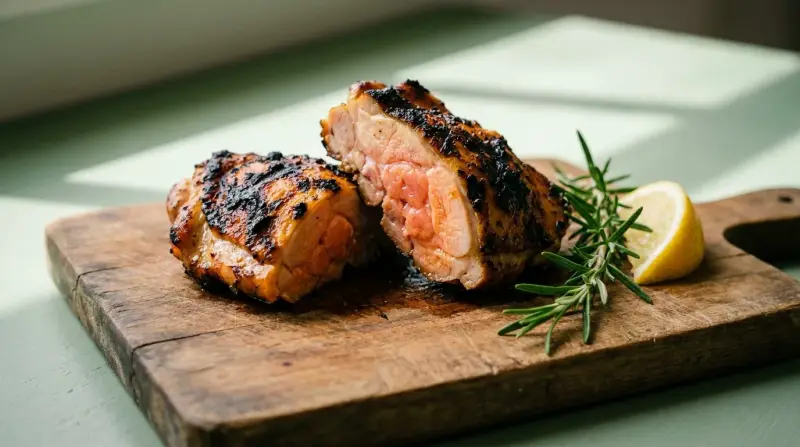
Grilling chicken thighs involves selecting the proper cut, creating a balanced marinade or rub, preheating the grill to the right temperature, using a two‑zone setup, and cooking until the internal temperature reaches at least 165°F (74°C) for safety and optimal juiciness.
Choosing the Right Thighs and Preparing a Marinade
Start with fresh, high‑quality chicken thighs. Boneless, skinless thighs cook faster and are easier to handle, while bone‑in, skin‑on thighs provide extra flavor from the marrow and skin fat. Trim excess skin if flare‑ups are a concern, but leaving some skin on bone‑in pieces helps retain moisture.
For flavor, a simple marinade works wonders. Combine ¼ cup olive oil, 2 tablespoons soy sauce, 1 tablespoon honey, the juice of one lemon, 2 minced garlic cloves, a teaspoon smoked paprika, and a pinch of salt and pepper. The oil carries fat, the acid from lemon tenderizes, and the sugar promotes caramelization. Coat the thighs, cover, and refrigerate for at least 30 minutes or up to 8 hours. Longer marination deepens flavor but never exceeds 24 hours to avoid a mushy texture.
If you prefer a dry rub, mix equal parts kosher salt, brown sugar, garlic powder, onion powder, and smoked paprika. Rub generously and let the meat rest at room temperature for 15 minutes before grilling. Both methods create a flavorful crust while keeping the interior moist.
Setting Up a Two‑Zone Grill
Whether you use gas or charcoal, a two‑zone arrangement offers the best control. Heat one side of the grill to high (about 425°F / 218°C) for searing, and leave the opposite side on low or off for indirect cooking. For a gas grill, light only the left burners; for charcoal, pile coals on one side and leave the other empty.
Preheat the grill with the lid closed for 10‑12 minutes. A clean grate prevents sticking, so brush it with a lightly oiled paper towel using tongs. Place a digital instant‑read thermometer on the grill grates to monitor surface temperature; this helps you keep the high zone from exceeding 450°F (232°C), which can cause burnt skin before the meat cooks through.
Before you start, have a spray bottle of water or apple juice handy to tame flare‑ups, especially when cooking skin‑on thighs that release fat onto the coals.
Grilling Boneless, Skinless Thighs
Place the marinated boneless thighs directly over the hot zone. Sear each side for 2‑3 minutes until grill marks appear. Then move them to the indirect side, close the lid, and cook for another 4‑5 minutes. Use a meat thermometer; the thickest part should read 165°F (74°C). If you prefer a slightly richer texture, let the temperature rise to 170°F (77°C). Total time is about 8‑10 minutes.
During the indirect phase, avoid constantly opening the lid; each opening drops grill temperature by 15‑20°F (8‑11°C). Rest the thighs for 5 minutes after removing them from the grill; this redistributes juices and prevents a dry bite.
For variety, serve the cooked thighs sliced in a BBQ Chicken Thigh Quesadilla: Smoky Mexican Folded Tortilla. The warm, shredded meat pairs perfectly with melted cheese and a crisp tortilla.
Grilling Bone‑In, Skin‑On Thighs
Start bone‑in thighs skin‑side up over the indirect zone. Close the lid and cook for 12‑15 minutes, allowing the fat to render slowly without burning. Flip the thighs skin‑side down and move them to the direct zone for a final 3‑4 minutes to crisp the skin. Aim for an internal temperature of 170°F (77°C) for a fully rendered bite; the skin will be golden and slightly crackling.
Because bone insulates the meat, temperature gradients can occur. To ensure even cooking, use a thermometer that pierces both the meat and the thickest part near the bone. If the meat hits 165°F but the bone side is cooler, continue indirect cooking for another 2‑3 minutes.
Seasoning tips: add a light dusting of smoked salt or a drizzle of honey during the last minute of direct heat for a sweet‑smoky glaze. For those who love herbaceous notes, brush the skin with a mixture of melted butter, chopped rosemary, and a splash of lemon juice just before serving.
Troubleshooting
Common Problems
Typical issues include dry meat, burnt skin, undercooked interiors, and flare‑ups caused by dripping fat. Dryness usually stems from overcooking or a grill that’s too hot. Burnt skin results from excessive direct heat or insufficient indirect time. Undercooked centers happen when the heat is uneven, especially with bone‑in cuts.
What It Looks Like
If the thighs are dry, they will feel firm to the bite and may appear pale inside. Burnt skin looks blackened and has a bitter taste. An undercooked thigh may have a pink, jelly‑like interior and will not register 165°F on a thermometer. Flare‑ups cause sudden flames that blacken the meat quickly.
How to Fix It
To rescue dry meat, slice it thinly and toss with a little warm broth or a drizzle of olive oil before serving. If the skin is burnt, scrape off the charred bits or finish the thighs over indirect heat with a lid on to melt the remaining fat without further charring. For undercooked centers, move the thighs back to the indirect zone and cover the grill; check temperature every two minutes. To control flare‑ups, keep a spray bottle of water or apple juice nearby and use a drip pan under the direct zone.
Frequently Asked Questions
Can I use a charcoal grill instead of gas?
Yes. Arrange the coals on one side for direct heat and leave the other side empty for indirect cooking. Follow the same timing guidelines, but monitor the grill temperature with a probe, as charcoal can run hotter.
Do I need to pre‑heat the grill?
Pre‑heating is essential. It ensures the grill reaches the right temperature for searing and helps create those classic grill marks while sealing in juices.
How long can I store grilled chicken thighs in the fridge?
Refrigerated grilled thighs keep safely for 3‑4 days in an airtight container. Reheat to an internal temperature of 165°F (74°C) before serving.
What’s the best way to tell if the chicken is done without a thermometer?
While a thermometer is the most reliable, you can check for clear juices running from the thickest part and ensure the meat is no longer pink. However, for safety, using a thermometer is strongly recommended.
Is it okay to grill marinated thighs with sugar in the sauce?
Yes, but watch the heat. Sugar can caramelize quickly and burn, so keep the direct zone slightly lower (around 400°F/204°C) and move the thighs to indirect heat if they start to darken too fast.
A printable recipe card for "BBQ Chicken Thigh Quesadilla: Smoky Mexican Folded Tortilla" is just below the article, ready to download or print.
Additional Resources
For a deeper dive into BBQ techniques, see Yes, You Can BBQ Chicken Thighs – Simple Steps for Juicy, Flavorful Results. If you prefer grilling, the guide Grilled Chicken Thighs: Definition, How to Cook, and Best Tricks offers more tips on heat zones and seasoning blends.
Printable recipe card: BBQ Chicken Thigh Quesadilla: Smoky Mexican Folded Tortilla
Save it, print it, or keep it on your phone while you cook.
Loading the recipe card…