How Long to Cook Beef Short Ribs in the Oven for Tender Results
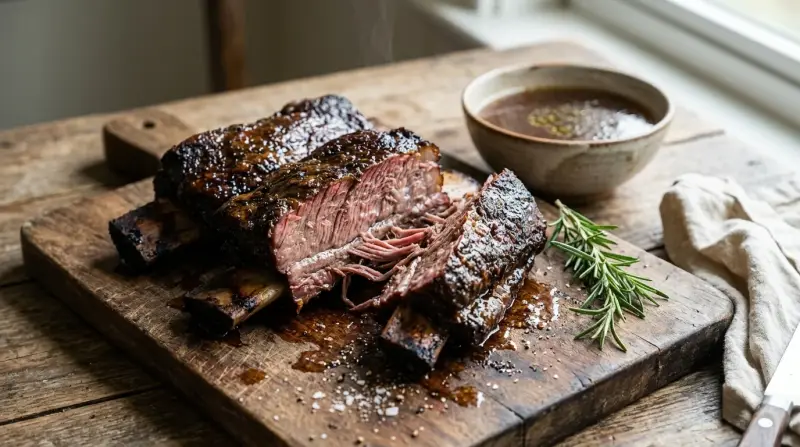
Beef short ribs become fork‑tender when baked at a low temperature for 3½ to 4½ hours, or you can reduce the time to 2½‑3 hours by raising the oven to 350°F and finishing with a brief high‑heat blast for a caramelized crust.
Comparison Table: Time, Effort, Result, Best For
| Method | Time | Effort | Result | Best For |
|---|---|---|---|---|
| Low‑and‑Slow (275°F) | 3½‑4½ hrs | Minimal active time | Fall‑off‑the‑bone tenderness, deep flavor | Weekend roasts, meal‑prep |
| Higher‑Heat Shortcut (350°F) | 2½‑3 hrs | Medium (sear optional) | Very tender, slightly firmer crust | Busy weeknights, limited oven space |
| Broiled Finish | 20‑30 mins extra | Active monitoring | Rich caramelized bark | When you crave a BBQ‑style crust |
Low‑and‑Slow Oven Method (275°F)
Preheat your oven to 275°F (135°C). Pat the ribs dry, then season generously with salt, pepper, and any aromatics you enjoy – garlic powder, onion powder, or a blend of dried herbs works well. If you have time, let the seasoned ribs rest uncovered in the refrigerator for 30 minutes; this helps a dry surface develop, which later becomes a better crust.
Arrange the ribs bone‑side down in a deep roasting pan or a Dutch oven. Add about a cup of beef broth or low‑sodium stock; the liquid should come up roughly one‑quarter of the way up the sides, not covering the meat. Cover tightly with aluminum foil or a fitted lid to trap steam. Bake for 3½ hours, then check for tenderness by inserting a probe or a fork – the meat should slide off the bone with little resistance. If it’s not there yet, continue baking in 15‑minute increments.
Because this method relies on gentle heat, collagen converts to gelatin, creating a silky mouthfeel. The slow steam also infuses the meat with the broth’s savory notes, making the ribs juicy without any added fat.
For a related inspiration, see the Beef Short Ribs Lasagna: Slow-Braised Italian Pasta Bake, which uses the same low‑and‑slow principle before layering the meat with pasta and cheese.
Higher‑Heat Shortcut (350°F)
If you need the ribs sooner, increase the oven temperature to 350°F (175°C). This shortens cooking time but still requires at least 2½ hours to break down connective tissue. Begin the same way: dry, season, and place in a roasting pan with a modest amount of broth. Cover the pan and bake for 2 hours, then remove the cover and continue for another 30‑45 minutes.
During the uncovered phase, the higher heat encourages the surface to brown through the Maillard reaction. If you want extra flavor, sear the ribs first in a hot cast‑iron skillet for 2‑3 minutes per side using a high‑smoke‑point oil such as avocado or peanut oil. This step is optional but adds a deeper, roasted nuance.
Check tenderness the same way as the low‑and‑slow method. The meat may be a touch firmer because the collagen has had less time to fully gelatinize, but it will still be very tender and easier to pull apart than a quick stovetop braise.
Finishing Techniques for a Crust
Regardless of the primary method, a final high‑heat finish creates the characteristic bark many associate with smoked ribs. Increase the oven to 425°F (220°C) or switch to the broiler setting. Brush the ribs with a thin layer of barbecue sauce, honey‑free glaze, or a mixture of beef broth and a touch of apple juice for sweetness.
Broil for 2‑4 minutes, watching closely to avoid burning. The sugars caramelize, forming a glossy, slightly crisp exterior while the interior stays melt‑in‑your‑mouth. For those who love a smoky note without a smoker, the brief broil mimics that effect. For more detail on smoking, read Yes, You Can Smoke Beef Short Ribs – A Complete Guide.
Safety, Storage, and Reheating
The USDA recommends cooking beef short ribs to an internal temperature of 145°F (63°C) followed by a three‑minute rest. Because we are braising at low heat for several hours, the ribs typically reach 190‑200°F (88‑93°C) inside, ensuring collagen breakdown and safety.
Cool the ribs quickly by placing the pan in an ice‑water bath for 5‑10 minutes, then refrigerate in an airtight container. Cooked short ribs store safely for up to four days. For longer storage, freeze in a single layer on a tray, then transfer to a zip‑top bag; they keep for three months. When reheating, use a low oven (275°F) with a splash of broth to maintain moisture, or microwave in short bursts covered with a damp paper towel.
If you’re looking for a quick reference on high‑heat cooking, the timing for broiling chicken wings offers a similar crisping principle: How Long to Cook Chicken Wings in the Oven for Perfect Crispness.
Below the article you’ll find a printable recipe card for Beef Short Ribs Lasagna: Slow‑Braised Italian Pasta Bake, ready to download or print for easy reference.
Frequently asked questions
Can I cook short ribs on a lower temperature than 275°F?
Yes, you can go as low as 225°F (107°C), but the cooking time will increase to 5‑6 hours. The lower temperature yields even more tender meat but requires more monitoring of liquid levels.
Do I need to add sauce before the final broil?
A light coating of sauce helps create a caramelized crust, but it’s optional. Too much sauce can burn quickly, so use a thin glaze and watch the ribs closely during the broil.
Are bone‑in short ribs better than boneless?
Bone‑in ribs retain more flavor and gelatin, which contributes to a richer sauce. If you prefer boneless for easier slicing, choose a well‑marbled cut and add an extra 15‑20 minutes of cooking time.
What’s the best way to reheat leftover short ribs?
Place the ribs in a covered baking dish with a splash of beef broth, cover with foil, and warm at 275°F (135°C) for 20‑30 minutes. This prevents drying and restores the silky texture.
Printable recipe card: Beef Short Ribs Lasagna: Slow-Braised Italian Pasta Bake
Save it, print it, or keep it on your phone while you cook.
Loading the recipe card…