The Best Cooking Method for Chicken Wings: Air Fryer, Oven, Fry or Grill?
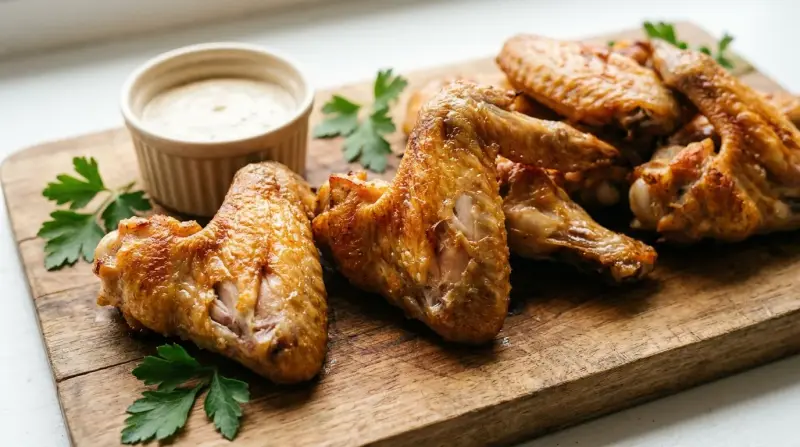
Air frying, oven baking with baking powder, deep frying, and grilling each produce crispy, juicy chicken wings, but the air fryer consistently delivers the best balance of speed, mess reduction, and consistent crunch when the wings are seasoned and cooked to an internal temperature of 175°F (80°C).
Method Comparison Table
| Method | Typical Time | Effort Level | Result | Best For |
|---|---|---|---|---|
| Air Fryer | 20‑25 min | Low – set temperature, shake once | Very crisp skin, juicy meat, no excess oil | Small batches, quick weeknight snack |
| Oven + Baking Powder | 45‑55 min | Medium – coat, arrange on rack, flip | Crisp comparable to fried, larger quantity | Family gatherings, limited countertop space |
| Deep Fry | 10‑15 min | High – heat oil, monitor temperature | Ultimate crunch, richer mouthfeel | Traditionalists, game‑day parties |
| Grill | 30‑35 min | Medium – preheat, manage flare‑ups | Smoky flavor, moderate crispness | Outdoor cooking, BBQ enthusiasts |
Why the Air Fryer Often Wins
The air fryer circulates hot air at 380°F (193°C) while a fan creates a Maillard reaction on the wing skin. Because the wings sit on a perforated basket, the fat drips away, preventing soggy spots. A quick 5‑minute shake halfway through ensures even exposure. This method requires little hands‑on time, and the built‑in timer shuts off automatically, reducing the risk of over‑cooking. For a halal‑friendly crisp, toss the wings in a dry rub that includes baking powder, kosher salt, and smoked paprika before air‑frying; the powder raises the skin’s pH, promoting browning without extra oil.
If you need a solid recipe to try right away, see our Crispy Halal Air Fryer Chicken Wings: Savoury American Appetiser. It demonstrates the exact timing and seasoning ratio that works for most wing sizes.
Baking with Baking Powder: Crisp without the Fryer
Oven baking can mimic deep‑fried texture when you add a teaspoon of aluminum‑free baking powder per pound of wings. The alkaline component breaks down proteins in the skin, allowing it to become porous and brown faster. Preheat the oven to 425°F (218°C) and place a wire rack on a rimmed sheet pan; the rack creates airflow beneath the wings, a key to uniform crispness. After coating the wings in the same dry rub used for air frying, bake for 20 minutes, flip, then bake another 15‑20 minutes until the internal temperature reaches 175°F (80°C). The result is a golden exterior that’s just a shade less crunchy than deep‑fried wings but far easier to produce in large batches.
When you’re unsure whether to start from frozen, consult our guide Can You Cook Chicken Wings Directly from Frozen? A Complete Guide for safe thawing and cooking tips.
Deep Frying: Classic Crunch with More Mess
Deep frying submerges wings in oil heated to 350°F (177°C). The rapid heat transfer creates a blistered skin that locks in juices. The downside is the oil splatter, the need for a deep‑fat thermometer, and the extra calories from oil absorption. To limit greasiness, pat wings dry, dust lightly with the same baking‑powder rub, and fry in 2‑inch oil for 8‑10 minutes, turning once. After draining on a paper‑towel‑lined rack, the wings should reach 165°F (74°C) internally, though a target of 175°F (80°C) yields a more tender bite.
Timing can vary by wing size; our How Long Should Chicken Wings Cook in an Air Fryer? Complete Timing Guide provides a handy chart that also applies to deep‑frying intervals.
Grilling: Smoky Flavor but Variable Crispness
Grilling adds a charred, smoky layer that no other method can replicate. Preheat a gas or charcoal grill to medium‑high, about 400°F (204°C). Use a two‑zone setup: direct heat for searing, indirect heat for finishing. Place seasoned wings skin‑side down over direct heat for 4‑5 minutes, then move to the indirect side, cover, and cook another 12‑15 minutes, flipping once. Because grill grates allow some fat to drip, the skin can become less uniformly crisp; using a cast‑iron grill pan helps retain heat and improves texture. Always use a meat probe to verify that the thickest part of each wing reaches 165°F (74°C) before serving.
Choosing the Right Method for Your Kitchen
If you value speed and minimal cleanup, the air fryer is the clear winner, especially for weekday meals or small gatherings. For large parties where you need to feed a crowd, the oven with baking powder lets you lay out multiple trays at once with consistent results. Traditionalists who cherish that classic fry‑shop crunch will still prefer deep frying, provided they have the appropriate safety gear and a reliable thermometer. Finally, if an outdoor vibe is essential, grilling gives a distinctive flavor profile, though you may need to accept a slightly softer skin.
Below the article you’ll find a printable recipe card for “Crispy Halal Air Fryer Chicken Wings: Savoury American Appetiser,” ready to download or print for quick reference.
Frequently asked questions
Can I use a regular oven without baking powder?
Yes, but the skin will stay softer and may not reach the same level of crunch. Adding a light dusting of cornstarch or flour can improve texture, though it will not match the dryness that baking powder creates.
Do I need to marinate wings before cooking?
A dry brine—sprinkling salt and letting the wings sit uncovered for 30‑60 minutes—draws moisture out of the skin, resulting in a drier surface that crisps better. No wet marinades are required for a crisp finish.
How do I keep wings from sticking to the grill?
Lightly oil the grill grates with a high‑smoke‑point oil brushed on a paper towel, and place the wings skin‑side down first. Let them develop a sear before attempting to flip.
What is the safest internal temperature for chicken wings?
The USDA requires 165°F (74°C), but cooking to 175°F (80°C) ensures the connective tissue breaks down, giving a juicier bite while still being safe.
Printable recipe card: Crispy Halal Air Fryer Chicken Wings: Savoury American Appetiser
Save it, print it, or keep it on your phone while you cook.
Loading the recipe card…