Barbecue Sauce on Chicken: Apply Before Baking or After?
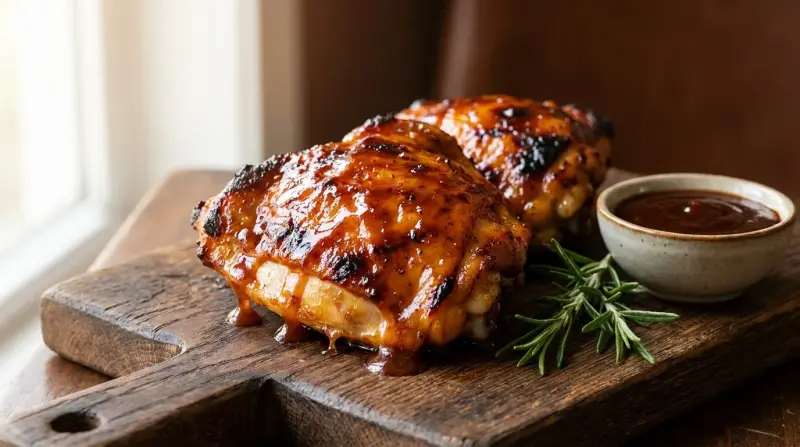
You can use barbecue sauce both before and after baking, but the timing changes texture and flavor; applying it early creates a caramelized glaze while finishing sauce after baking keeps the sauce bright and prevents over‑burning.
Understanding Barbecue Sauce and Baking
Barbecue sauce is typically a mixture of sweeteners, acids, and spices. When exposed to oven heat, the sugars caramelize, producing a glossy, slightly crisp coating. However, the same sugars can burn if they are subjected to high heat for too long, turning bitter. Knowing how the sauce behaves helps you decide when to apply it.
What Happens to Sauce in the Oven?
- Caramelization: Sugars brown around 300°F (149°C), adding depth.
- Evaporation: Water in the sauce reduces, thickening the glaze.
- Burn risk: Above 400°F (204°C) for more than a few minutes, sugars may scorch.
Applying Sauce Before Baking
Coating chicken with sauce before it goes into the oven is ideal when you want a deep, baked‑on flavor. The heat cooks the chicken and simultaneously caramelizes the sauce, giving a sticky, slightly crisp exterior.
Step‑by‑Step Method
- Preheat the oven to 375°F (191°C). This moderate temperature prevents the sauce from burning while still cooking the chicken through.
- Pat chicken pieces dry with paper towels. Moisture on the surface interferes with sauce adhesion.
- Season the meat lightly with salt, pepper, and any dry rub you like.
- Brush a thin layer of barbecue sauce on all sides. Using too much sauce at this stage can cause it to pool and burn.
- Place the chicken on a foil‑lined baking sheet. For even cooking, arrange pieces with space between them.
- Bake until the internal temperature reaches 150°F (65°C), about 20–25 minutes depending on size.
- Remove from the oven, increase the temperature to 425°F (218°C), brush a second generous layer of sauce, and return for 5–7 minutes to finish caramelization.
- Check that the thickest part of the meat has reached 165°F (74°C) before serving.
Why this works: The initial low‑heat bake lets the meat cook without over‑exposing the sauce to high heat. The final blast at 425°F creates the desired glaze without scorching because the sauce layer is already set.
Common Mistakes and Fixes
- Using too much sauce early – the excess can burn. Fix by brushing on thin layers and adding more later.
- Cooking at too high a temperature from the start – leads to burnt edges. Reduce the oven temperature for the first half of cooking.
- Skipping the final high‑heat step – results in a dull, soft coating. Add the last blast for a finished glaze.
Applying Sauce After Baking
Adding barbecue sauce after the chicken is fully baked preserves the sauce’s fresh, tangy notes and eliminates the risk of burning. This method is useful when you prefer a saucy finish or are serving the chicken with a side of extra sauce.
Step‑by‑Step Method
- Preheat the oven to 425°F (218°C). The higher heat ensures a quick, dry roast that leaves the skin crisp.
- Season the chicken with salt, pepper, and optional dry herbs. No sauce is applied at this stage.
- Arrange the pieces on a wire rack set over a rimmed baking sheet. This allows air circulation and prevents the skin from steaming.
- Roast until the internal temperature hits 165°F (74°C), typically 25–30 minutes for bone‑in thighs or 20 minutes for boneless breasts.
- While the chicken rests for 5 minutes, gently warm the barbecue sauce in a saucepan just until it simmers.
- Brush the warm sauce over the hot chicken or drizzle it from a spoon. The residual heat will thin the sauce slightly, helping it coat evenly.
- Serve immediately, offering extra sauce on the side for diners who want more.
Why this works: The sauce never endures the oven’s dry heat, so its sugars stay intact and its bright acidity isn’t muted. The chicken stays crisp because the skin never gets a sugar‑laden coating that could soften.
When to Choose This Approach
- You are cooking for a crowd that likes to dip.
- You want to avoid any burnt flavor.
- You are using a particularly thick or sugary sauce that would darken quickly.
Best Practices for Moist and Safe Chicken
Regardless of when you add the sauce, the following tips keep the meat safe and juicy.
- Temperature safety: Cook chicken to an internal temperature of 165°F (74°C). Use an instant‑read thermometer inserted into the thickest part, avoiding the bone.
- Dry the surface: Patting the chicken dry before any seasoning improves browning and sauce adhesion.
- Rest after cooking: Let the meat rest 5–10 minutes; juices redistribute and the final temperature stabilizes.
- Storage: Refrigerate leftovers within two hours in a shallow container. Consume within three days or freeze for up to two months.
For a quick, smoky appetizer, you might try the BBQ Chicken Leg Lollipop: Bacon Wrapped Appetiser. The recipe demonstrates both pre‑bake glazing and a final sauce drizzle for maximum flavor.
Need more guidance on grilling or braising chicken? The article Yes, You Can BBQ Chicken Thighs – Simple Steps for Juicy, Flavorful Results explains seasoning and heat management. For oven‑to‑grill transitions, see How to Grill Chicken Thighs: Step‑by‑Step Guide for Juicy Results Every Time.
A printable recipe card for "BBQ Chicken Leg Lollipop: Bacon Wrapped Appetiser" is just below the article, ready to download or print.
Frequently asked questions
Can I use the same barbecue sauce for both pre‑bake and post‑bake steps?
Yes, but a thicker sauce works better early on for glazing, while a thinner or slightly sweeter sauce shines when added after baking. Adjust consistency by stirring in a little broth or water if needed.
Will applying sauce before baking make the chicken soggy?
If you apply a thin, even layer and start at a moderate temperature, the moisture evaporates, leaving a dry, caramelized surface. Excess sauce can trap steam, so avoid a heavy coating.
Do I need to baste the chicken repeatedly?
Basting improves glaze buildup, but it isn’t required. A single coat before baking and a final coat after cooking usually provides a balanced flavor without over‑messing the oven.
Is there a risk of undercooking when a sugary sauce is used?
Sugar can cause the exterior to brown before the interior reaches safe temperature. Use a meat thermometer and, if needed, lower the oven temperature after the first 15 minutes to let the heat penetrate without burning the glaze.
Printable recipe card: BBQ Chicken Leg Lollipop: Bacon Wrapped Appetiser
Save it, print it, or keep it on your phone while you cook.
Loading the recipe card…