Salted Caramel Vanilla Cake: American Layer Cake
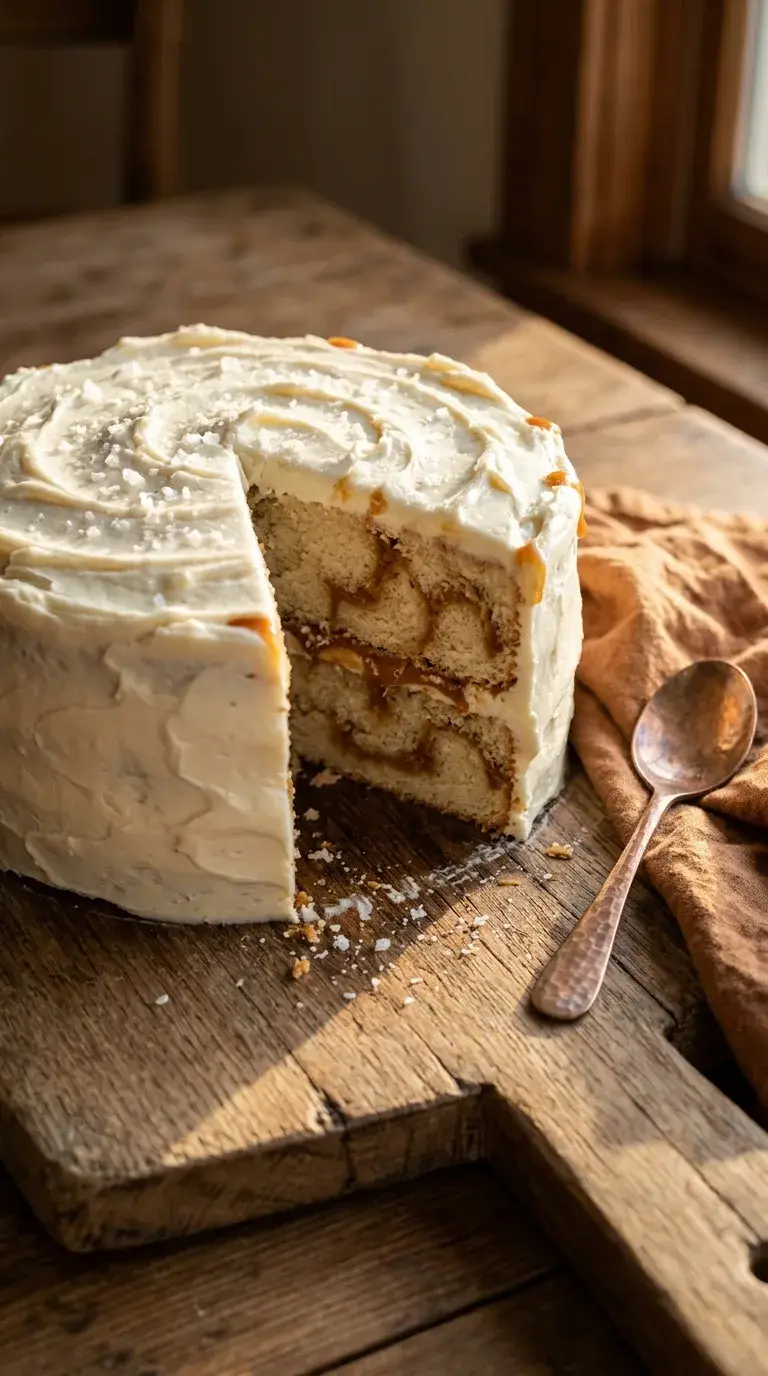
This salted caramel vanilla cake is a classic American dessert. It combines a light, airy vanilla sponge with rich, amber-colored caramel swirls. The final result is a moist cake balanced by a salty buttercream frosting. You get a contrast of deep burnt-sugar notes and pure vanilla in every slice.
Success depends on how you handle the caramel and the batter. Cool the caramel sauce to room temperature before folding it in, or it will melt the cake mix and ruin the texture. When adding the dry ingredients, fold them into the butter mixture in batches and stop as soon as they combine. Overmixing develops too much gluten, which turns a fluffy cake into a dense one.
Salted Caramel Vanilla Cake: American Layer Cake
Recipe cardIngredients
Instructions
-
Prepare the caramel
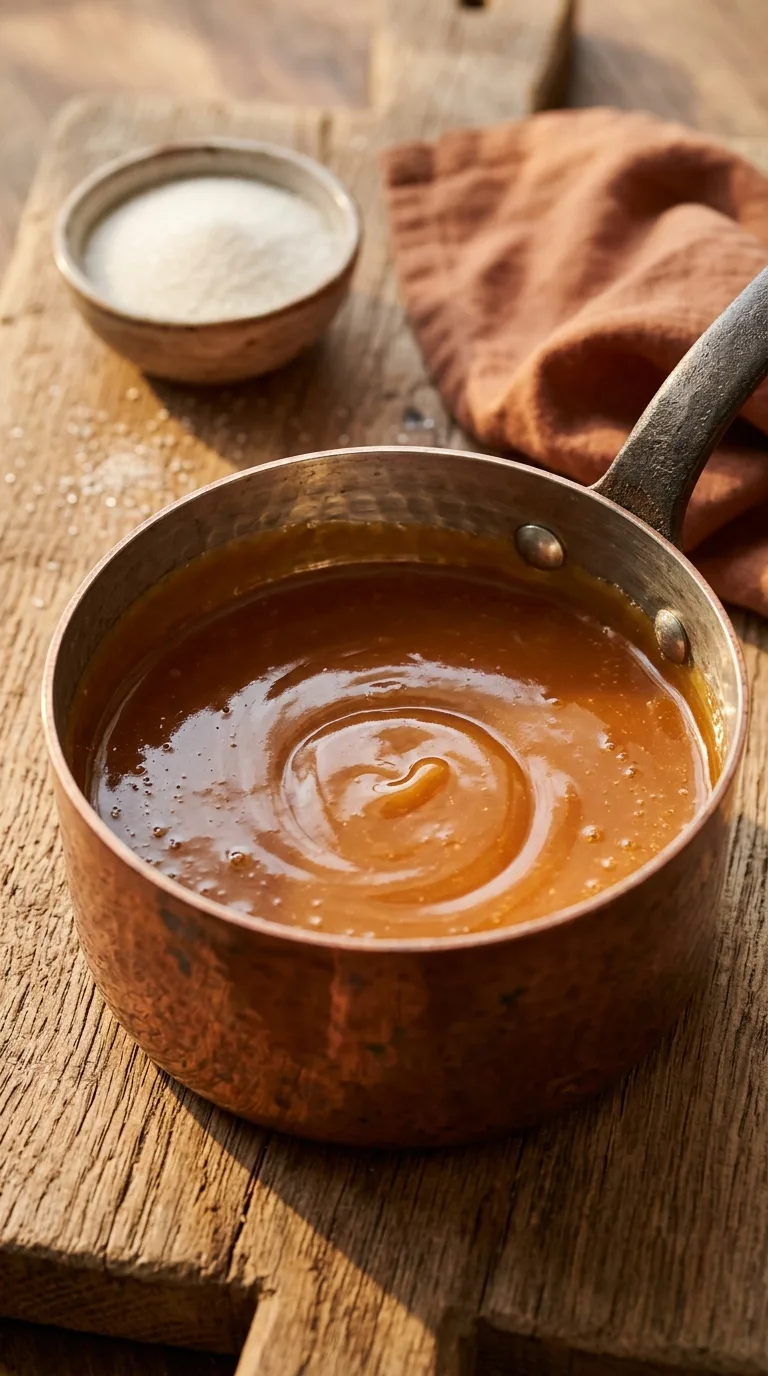
Combine 1 cup sugar and 1/4 cup water in a medium saucepan over medium heat. Boil and swirl without stirring until the syrup turns amber, which takes about 5 to 7 minutes. Whisk in cold butter and heavy cream until smooth, then stir in 1/4 tsp sea salt. Let the sauce cool to room temperature so it does not melt the batter.
-
Mix the batter
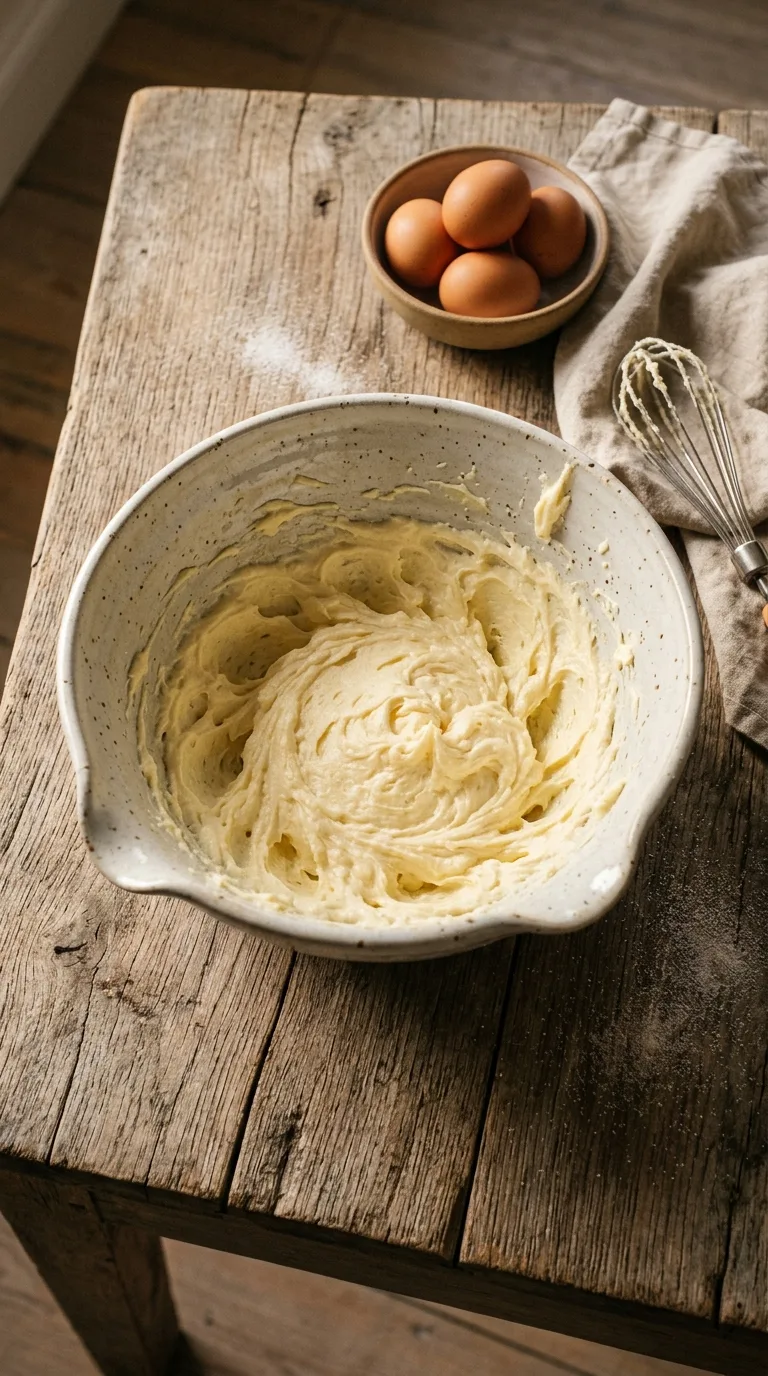
Preheat your oven to 350°F (180°C). Beat 1 cup softened butter and 2 cups sugar for about 3 minutes until light and fluffy. Add eggs one at a time, beating after each addition to ensure a stable emulsion.
-
Combine dry ingredients
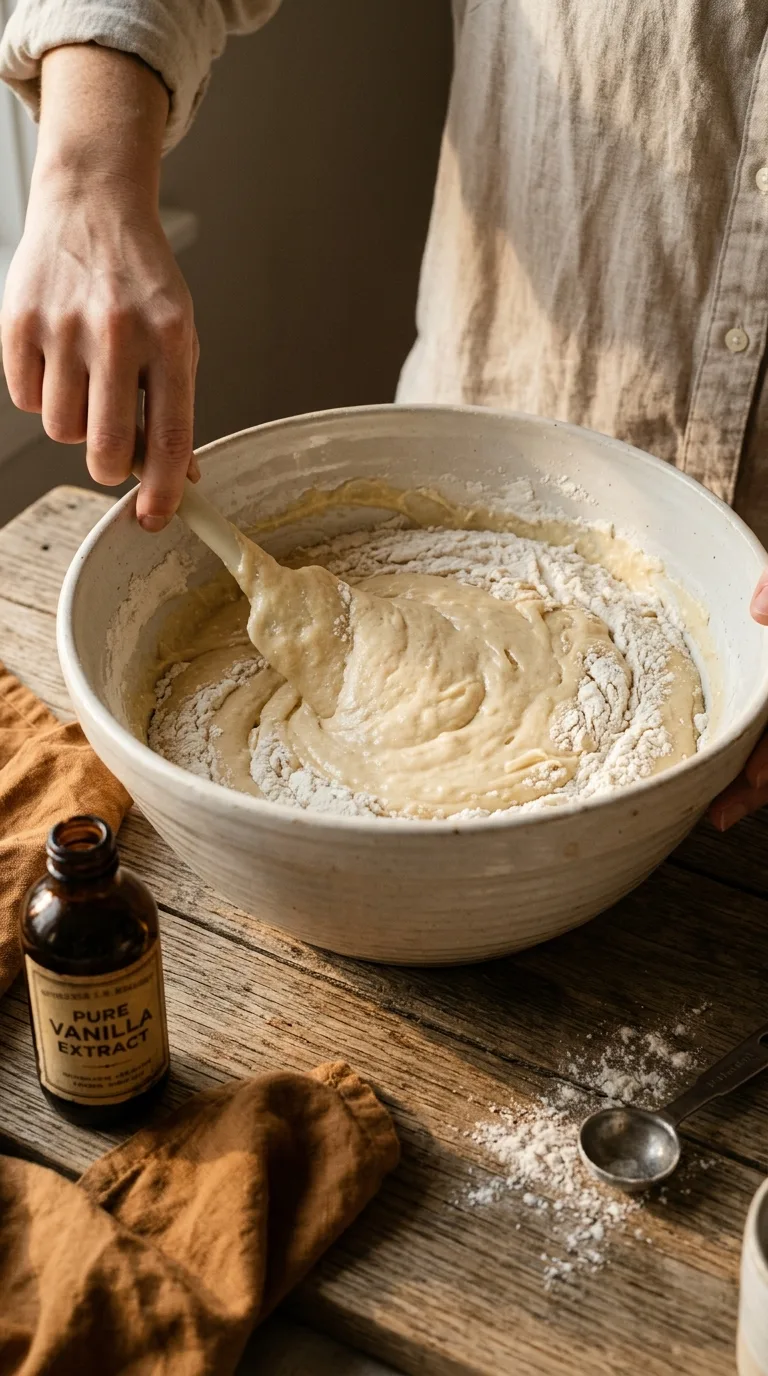
Sift flour, baking powder, baking soda, and 1/2 tsp salt in a separate bowl. Gradually fold these into the butter mixture, alternating with vanilla extract. Do not overmix, or you will develop too much gluten and make the cake tough.
-
Swirl and bake
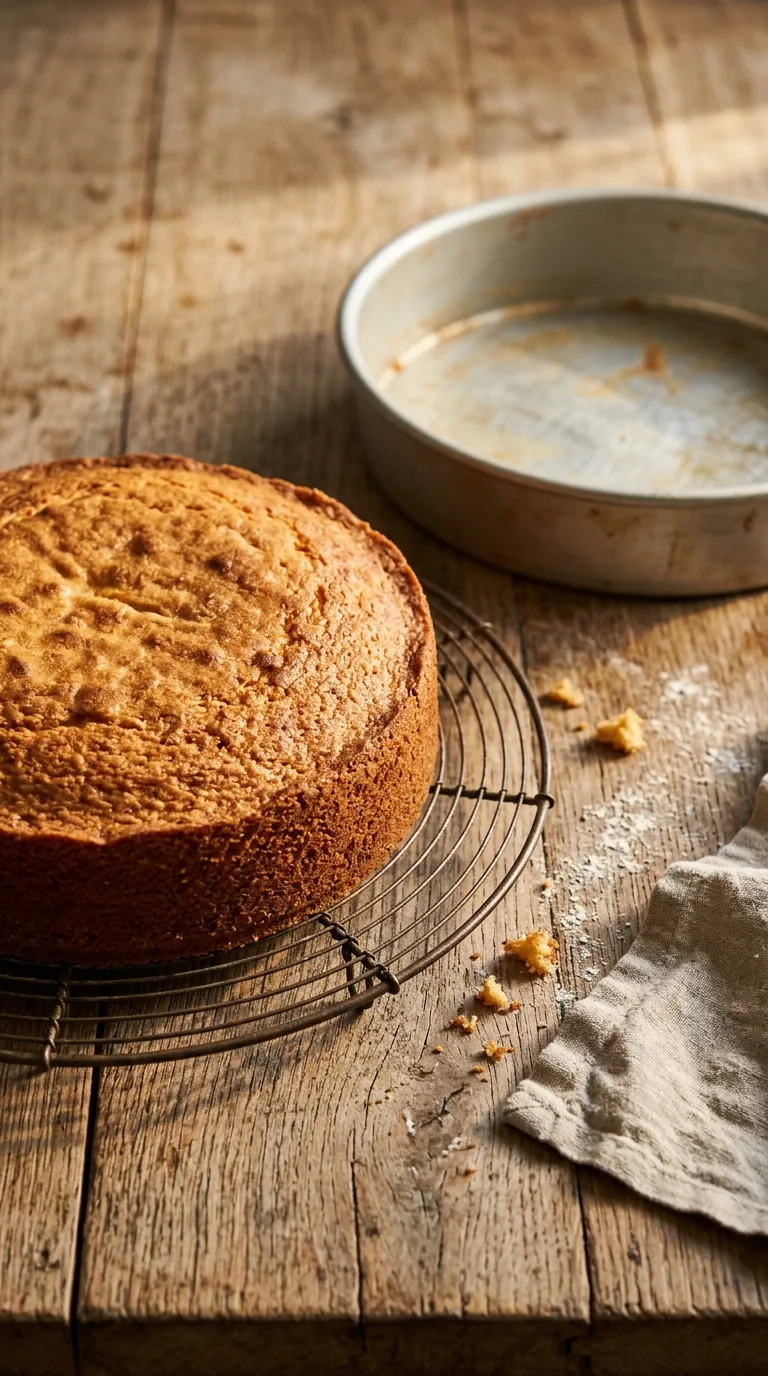
Divide batter into two bowls and fold in cooled caramel sauce. Swirl with a spatula for a marbled effect and spoon the mix into a buttered 9-inch round cake pan. Bake for 20 to 22 minutes until a toothpick in the center comes out clean.
-
Make the buttercream
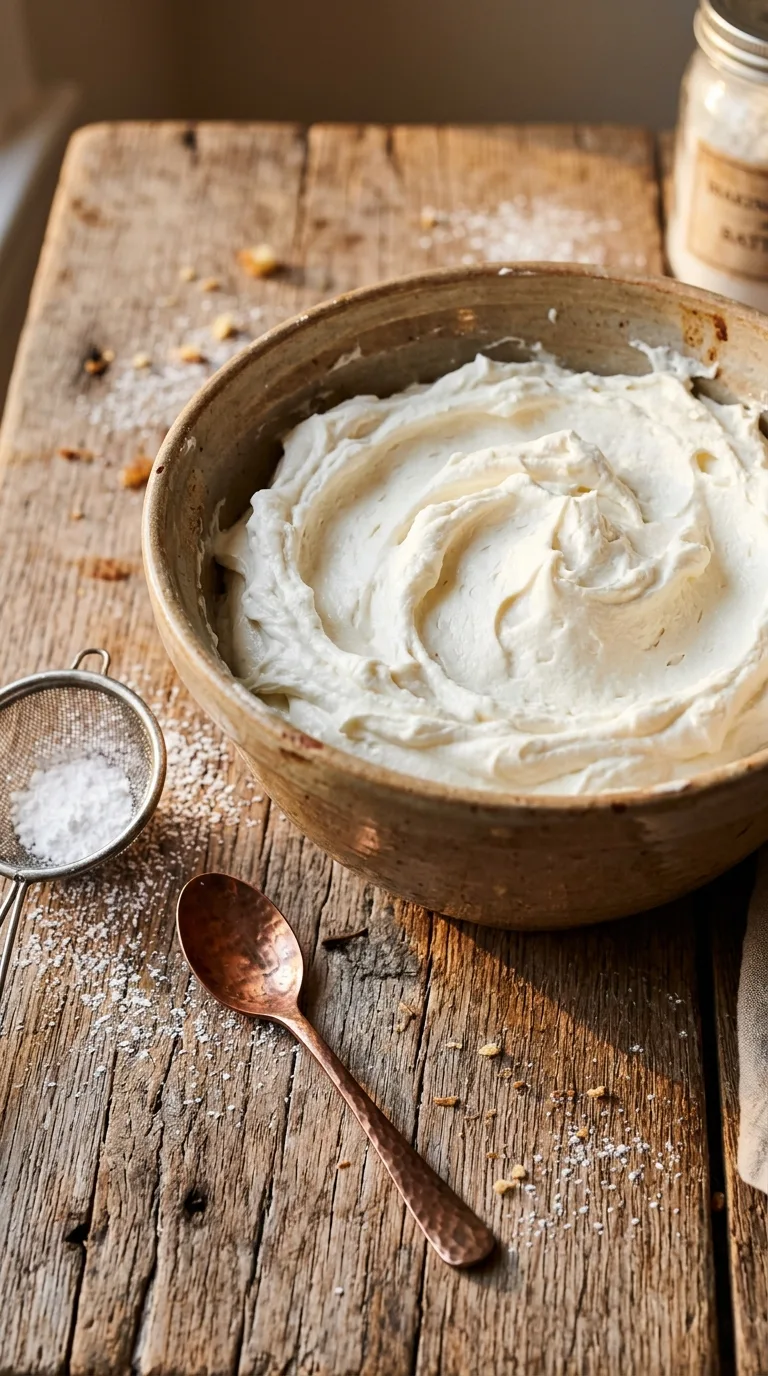
Beat 1 cup softened butter until creamy. Sift in powdered sugar, then add vanilla, milk, and 1/4 tsp sea salt. Beat the mixture until light and fluffy, then keep it chilled to maintain its structure.
-
Assemble and chill
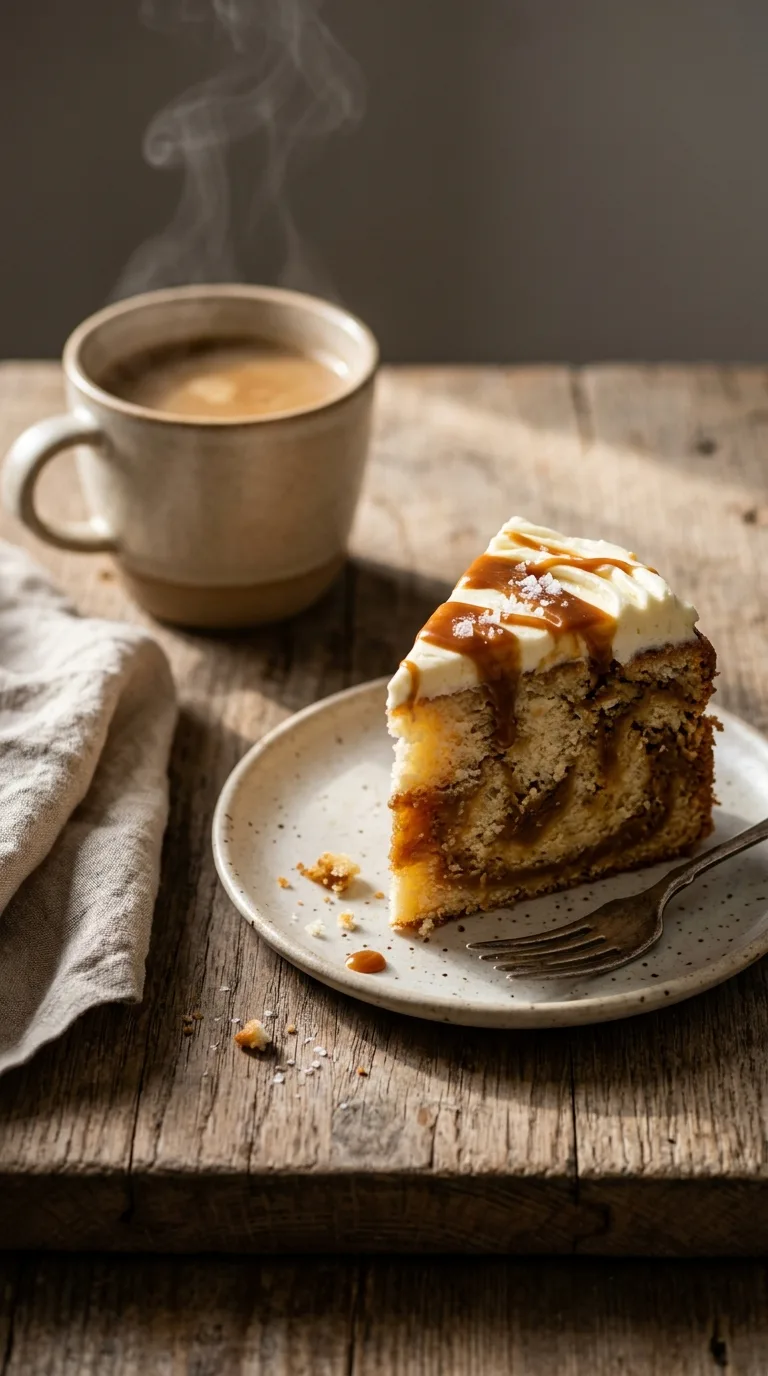
Level the cooled cake with a knife and slice it into two layers. Drizzle warmed caramel on the bottom layer before stacking the top. Apply a thin crumb coat of buttercream, then a final thick layer, and chill for 30 minutes to set the frosting.
Watch your caramel closely as it boils. If it darkens too quickly, remove the pan from the heat immediately to avoid a bitter burnt flavor. If the caramel remains too fluid to swirl into the batter, refrigerate it for 5 to 10 minutes to thicken the sauce.
What to serve with it
Pair this cake with a cup of hot, aromatic coffee or chai for a comforting experience. You can add a dollop of freshly whipped cream and a drizzle of leftover caramel sauce on the side. Dust the top with coarse sea salt to enhance the caramel flavor before serving.
Storing and reheating
Keep the cake in a tightly sealed container at room temperature for up to 3 days. For longer storage, place it in an airtight container in the freezer for up to 3 months. Thaw the cake overnight in the refrigerator before you serve it to maintain the texture.
Nutrition per serving
- Calories
- 680
- Protein
- 6.2 g
- Carbs
- 72.5 g
- Fat
- 38.1 g
- Fiber
- 1.1 g
- Sugar
- 54.0 g
Estimated, and offered as a guide rather than a medical figure.
Made it? Rate it.
Questions people ask
Do vanilla and salted caramel go together?
Yes. The floral notes of pure vanilla balance the deep, burnt-sugar intensity of the caramel. The addition of sea salt cuts through the sugar, preventing the cake from tasting overly sweet.
What cake flavor goes with salted caramel?
Vanilla is a classic choice, but chocolate also works well. You can replace some dry ingredients with cocoa powder or add lemon zest for a citrusy contrast to the rich caramel swirls.
Does caramel go with vanilla cake?
Yes. Vanilla cake provides a neutral, fluffy base that allows the salted caramel swirls and frosting to stand out. This combination creates a balanced dessert with contrasting textures and flavors.