Salted Caramel Frosting: Sweet and Savory Cake Topping
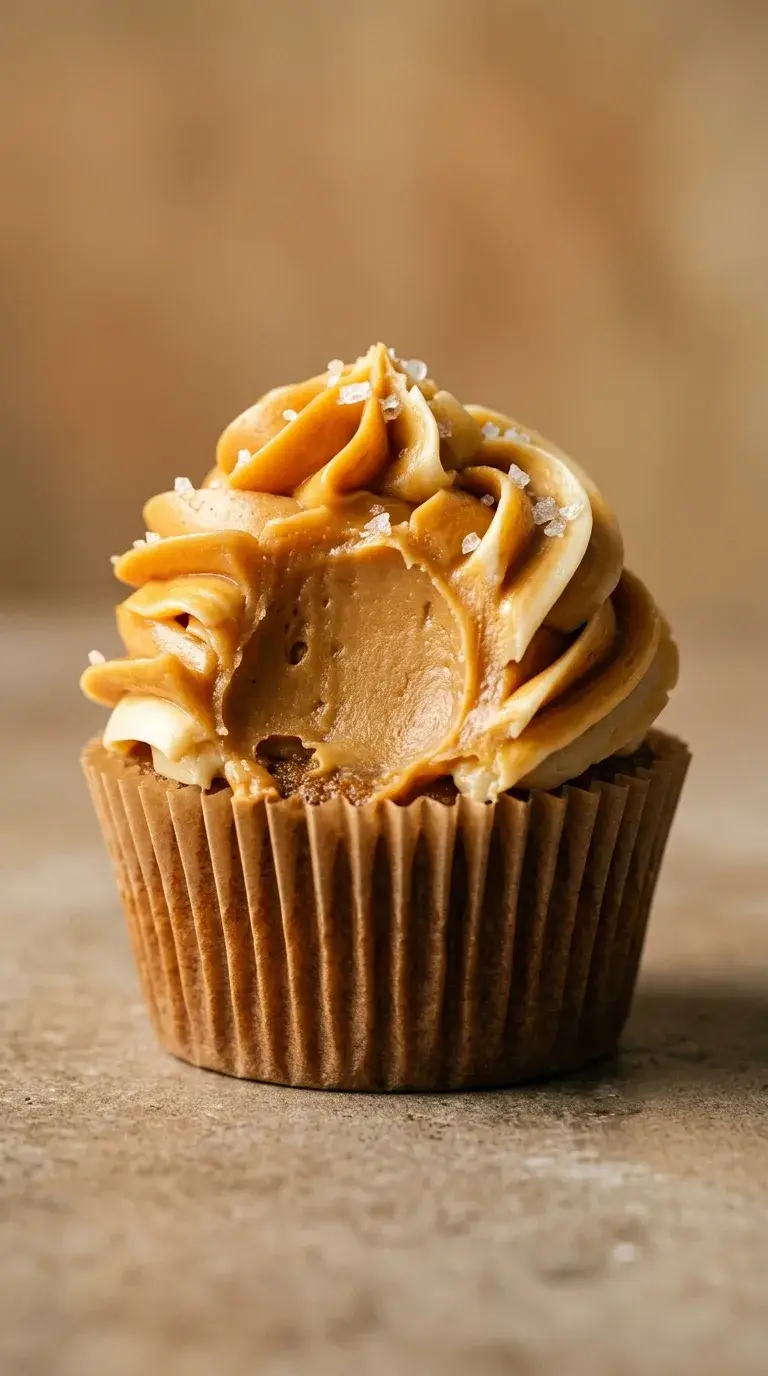
Decide whether you want a thin glaze or a structured buttercream before you begin your salted caramel frosting. Use a stand or hand mixer to ensure the butter and sugar emulsify into a stable cream. Sift your powdered sugar first to remove lumps. This step prevents the frosting from becoming grainy during the mixing process.
This frosting blends a boiled caramel of brown sugar, butter, and milk with whipped butter and powdered sugar. You must boil the mixture until it reaches 230°F (110°C) to develop a deep amber color. The addition of fine sea salt cuts the sugar for a balanced finish. The result is a spreadable topping that holds a light shape on cupcakes or layer cakes.
Salted Caramel Frosting: Sweet and Savory Cake Topping
Recipe cardIngredients
Watch how it's made
Instructions
-
Boil the caramel base
Place the brown sugar, 1/2 cup butter, and milk in a medium saucepan over medium heat. Bring the mixture to a gentle boil.
-
Cook to amber color
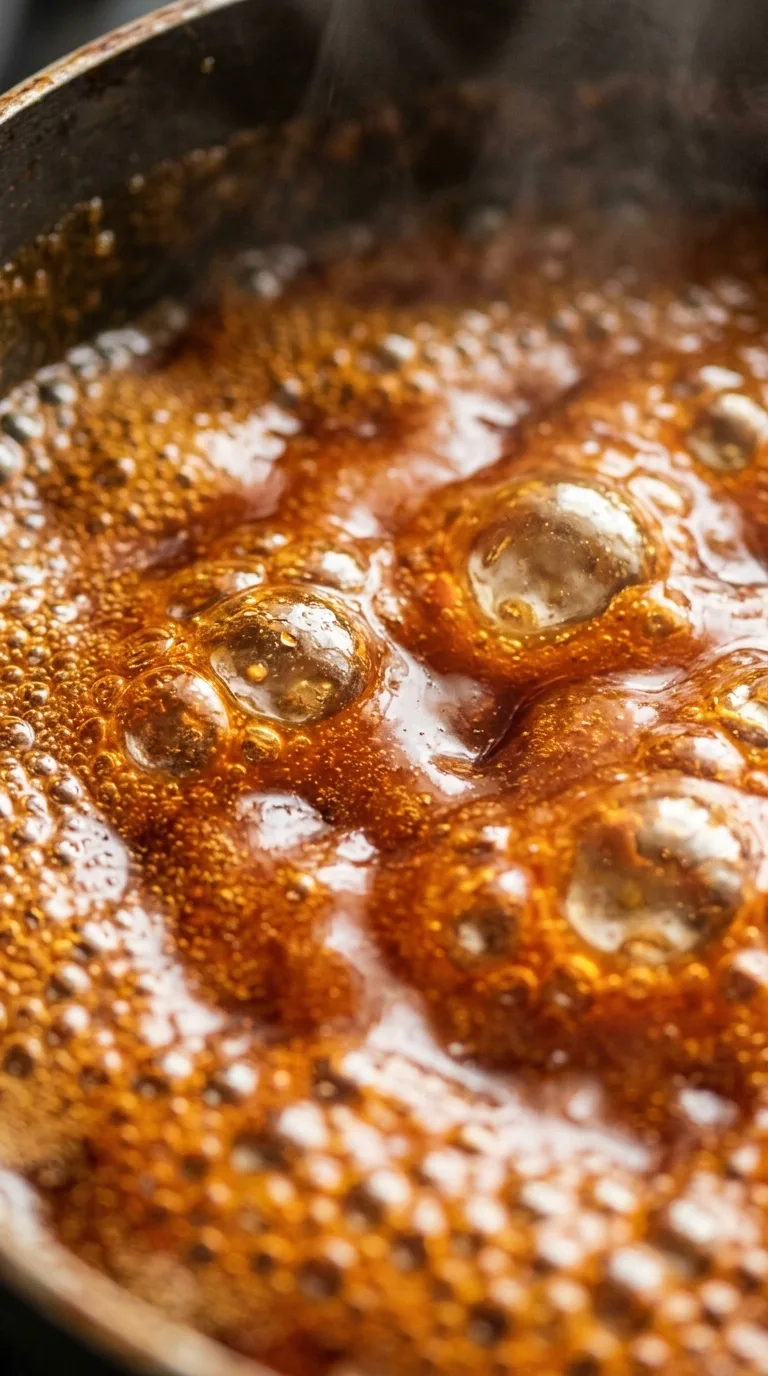
Stir continuously with a heat-resistant spatula until the mixture turns deep amber and reaches 230°F (110°C). Constant stirring prevents the sugars from burning during these 8-10 minutes.
-
Cool the caramel
Remove the pan from heat and let the caramel cool for 20-30 minutes. Spin the pan upside down to ensure the liquid is clear before proceeding so the heat does not melt the butter later.
-
Cream the butter
Whisk the softened 1 cup butter in a bowl until light and creamy. Beat in the cooled caramel until the mixture is well combined.
-
Incorporate powdered sugar
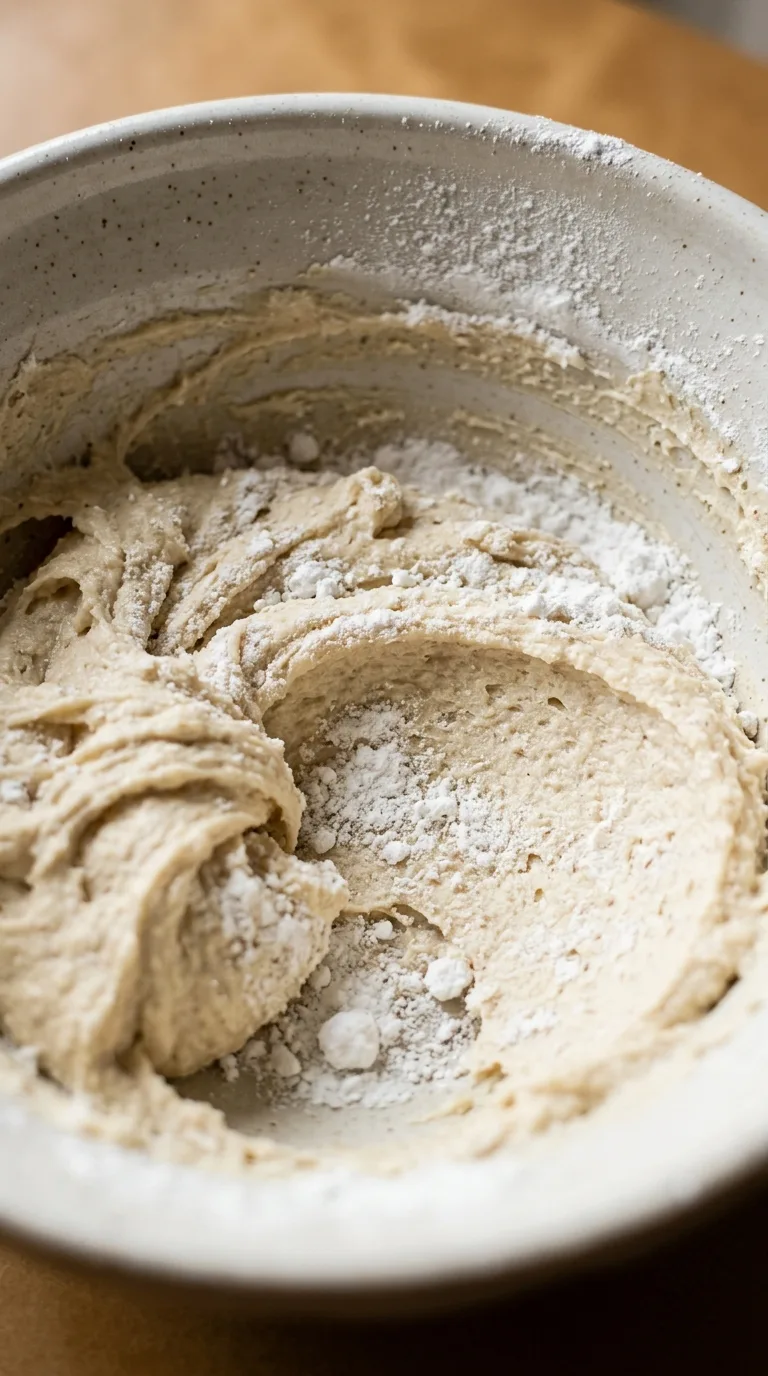
Add powdered sugar one cup at a time on low speed. Mix slowly between additions because the batter thickens quickly and can splatter.
-
Whip until fluffy
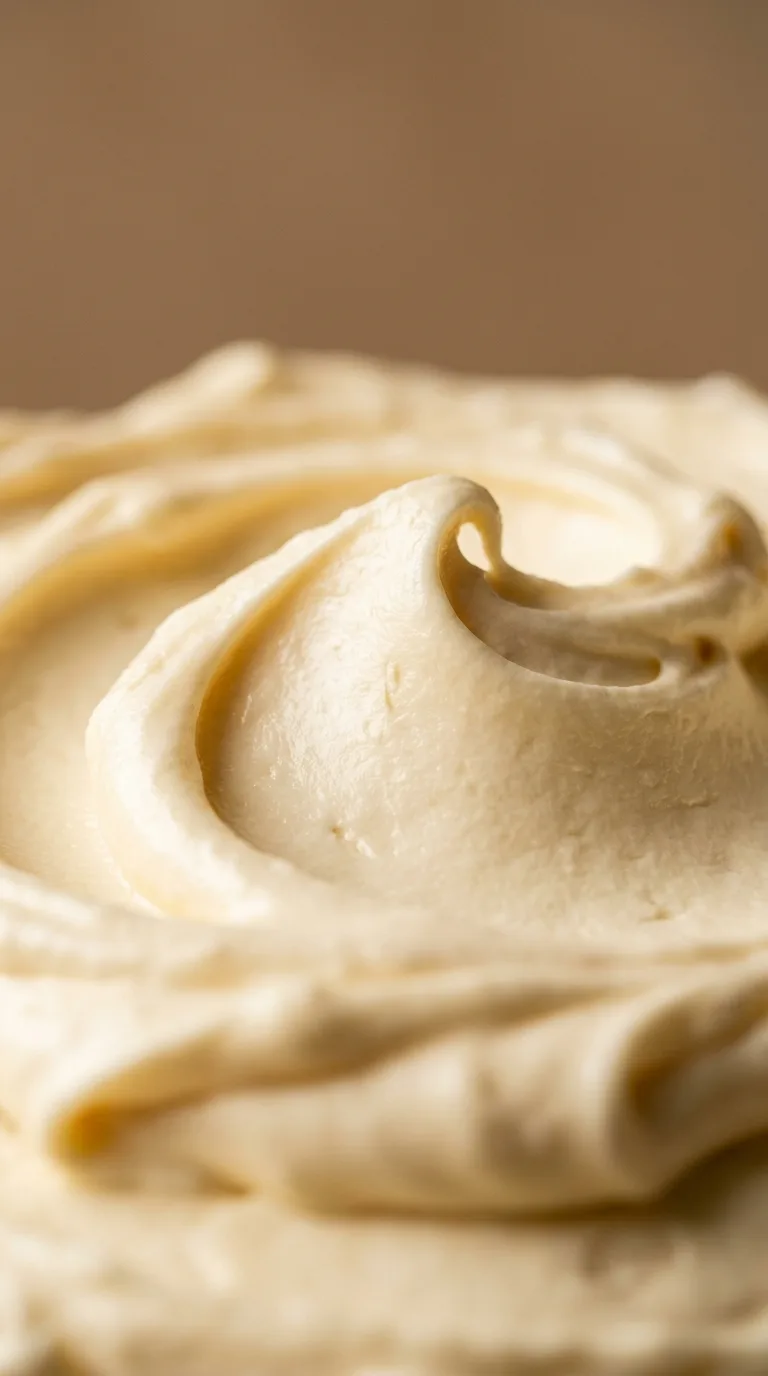
Stir in the salt and vanilla extract. Increase the mixer speed to medium and beat for 2 minutes to create a smooth, fluffy texture.
-
Adjust the consistency
Verify that the frosting is spreadable but firm enough to hold a light shape. If it is too thin, beat in an extra tablespoon of powdered sugar to stabilize it.
-
Set and smooth
Transfer the frosting to a container and let it set at room temperature for 10 minutes or chill for 30 minutes for more firmness. Stir once more before using to restore a silky smoothness.
If your frosting looks grainy, it means the sugar did not fully integrate. Fold in a few extra tablespoons of powdered sugar using a slow, gentle motion. This fixes the texture without over-mixing, which would introduce too much air and make the frosting unstable.
What to serve with it
Pipe this frosting onto cupcakes or layered cakes for a professional look. You can also drizzle a thin line over a slice of chocolate cake. Finish the presentation with a pinch of extra sea salt on top to provide a salty crunch that cuts through the sugar.
Storing and reheating
Keep the frosting in a sealed container in the refrigerator for up to 5 days or at room temperature for up to 3 days. You can freeze it in an airtight container for 2 months. Thaw it completely and stir before use to restore a smooth consistency.
Nutrition per serving
- Calories
- 245
- Protein
- 1.2 g
- Carbs
- 26.5 g
- Fat
- 15.8 g
- Fiber
- 0.2 g
- Sugar
- 24.1 g
Estimated, and offered as a guide rather than a medical figure.
Made it? Rate it.
Questions people ask
How to make a salted caramel frosting?
Boil brown sugar, butter, and milk to 230°F (110°C) to create a caramel base. Once cooled, beat this into softened butter and sifted powdered sugar. Add sea salt and vanilla last to balance the sweetness with a savory finish.
What are the ingredients in a 3-ingredient caramel frosting?
This specific recipe requires more than three ingredients to ensure stability. It uses butter, brown sugar, milk, powdered sugar, sea salt, and vanilla. These components create a structured buttercream that holds its shape on cakes better than simpler glazes.
How do I make easy salted caramel buttercream frosting?
Follow the step-by-step process of cooking a caramel syrup and whipping it into a butter-sugar base. Use an electric mixer on low speed when adding powdered sugar to prevent clumps and keep the final texture light and airy.
What kind of cake would you put salted caramel frosting on?
Use this on chocolate cake, vanilla layer cakes, or cupcakes. The salty caramel profile pairs well with dark cocoa or simple sponges. It works best on desserts that need a rich, buttery contrast to balance the cake base.