Chicken Satay Yellow Curry: Coconut and Peanut Stew
Choose a natural peanut butter for your chicken satay yellow curry. Check the label to ensure there are no added sugars or palm oils. Put any brand containing artificial sweeteners back on the shelf. Pure nut butter ensures the sauce emulsifies correctly without breaking. Use a high quality yellow curry paste to provide the foundational heat and colour.
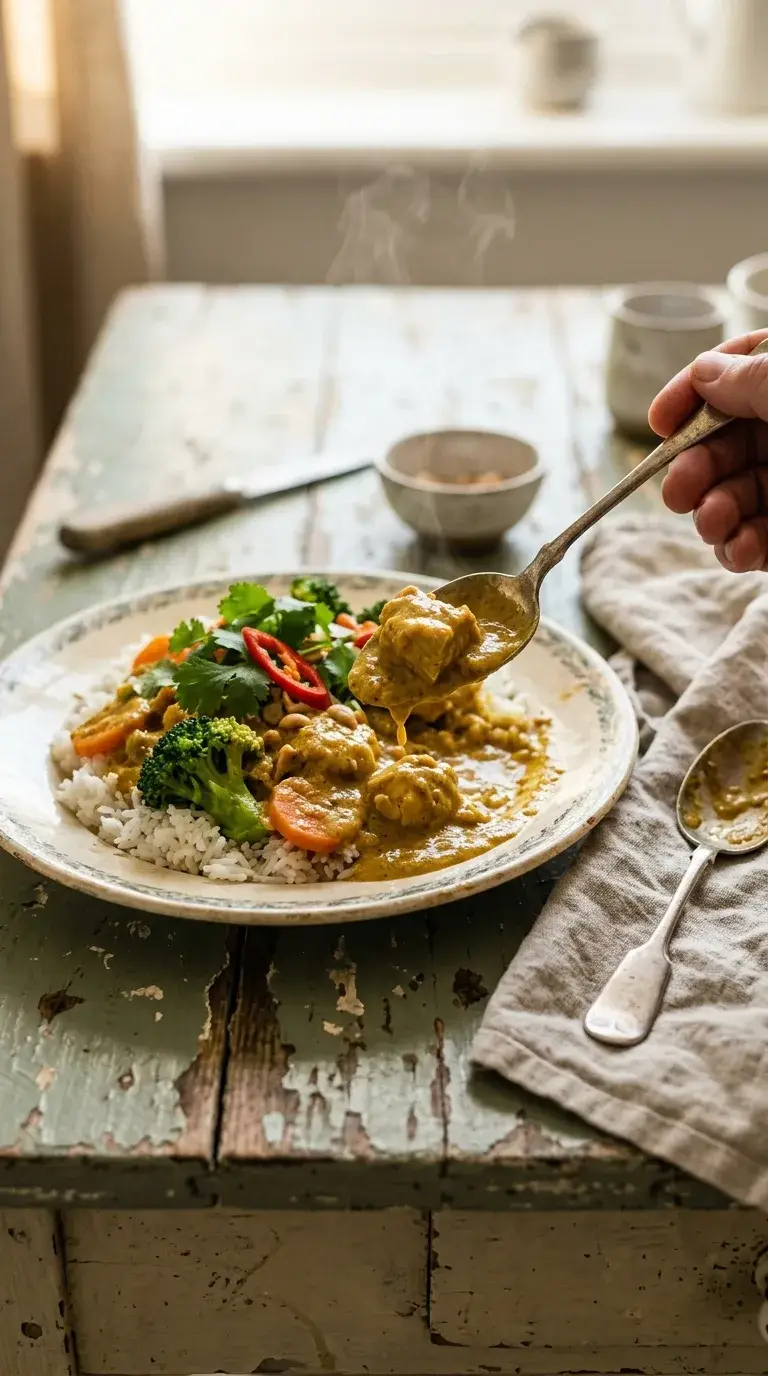
You will create a savoury stew featuring 600g of boneless skinless chicken thighs and fresh vegetables. Stir-fry the chicken in sesame oil until browned before simmering it in a blend of 400ml (1 cup) coconut cream and peanut butter. The result is a thick, golden sauce that coats the broccoli and carrots. Serve this over steamed jasmine rice and finish with a squeeze of lime to brighten the heavier flavours.
Chicken Satay Yellow Curry: Coconut and Peanut Stew
Recipe cardIngredients
Instructions
-
Mix the base
Whisk the coconut cream, water, and fish sauce in a heat-proof bowl. Set this mixture aside. You prepare this now so the liquid is ready to emulsify with the paste later.
-
Sauté the aromatics
Heat the sesame oil in a large wok or skillet over medium-high. Add the sliced onion and minced garlic. Sauté for 2 minutes until the vegetables are translucent and fragrant.
-
Brown the chicken
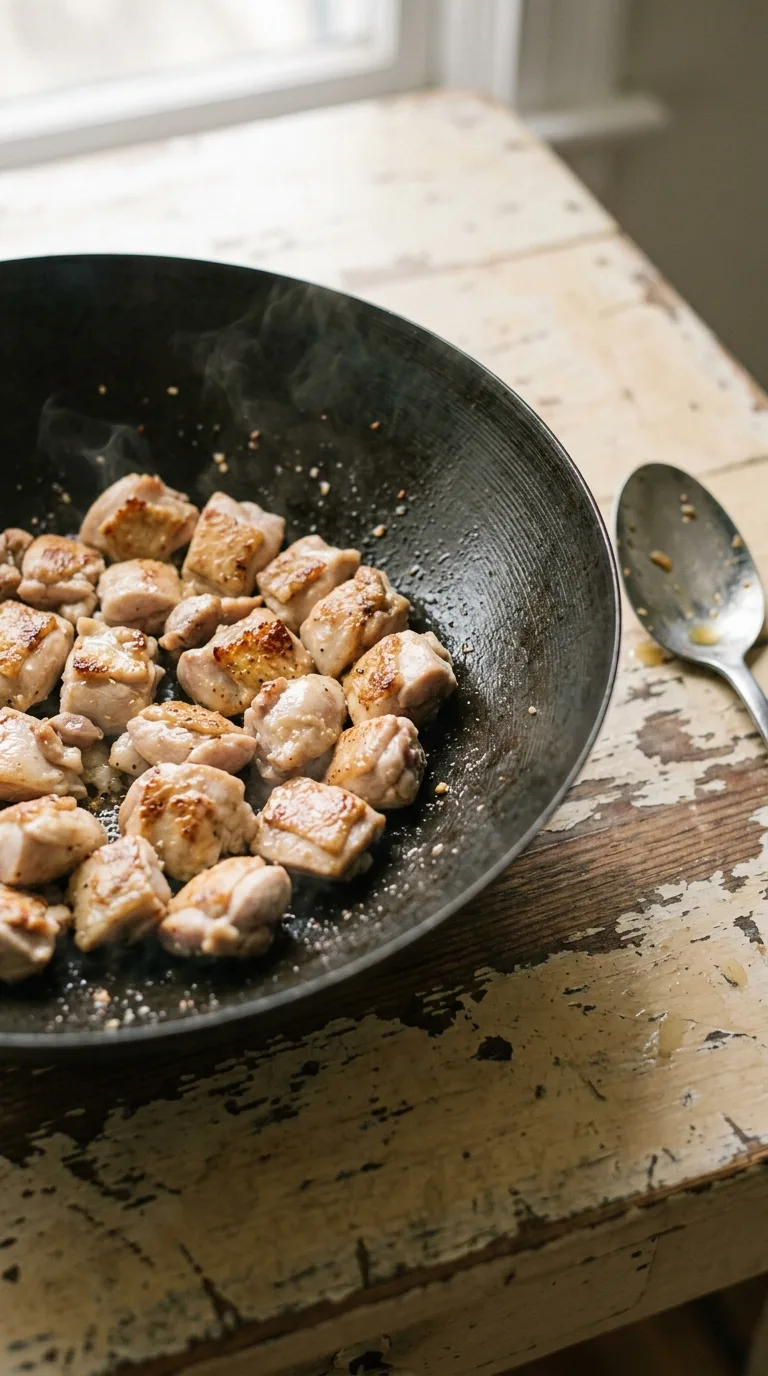
Increase the heat to medium-high and add the chicken pieces. Stir-fry for 3–4 minutes until the meat is lightly browned on all sides. This creates a savoury crust that holds flavour.
-
Bloom the paste
Lower the heat to medium and stir in the yellow curry paste. Cook for 1 minute. You do this to release the essential oils and make the spices aromatic.
-
Incorporate peanut butter
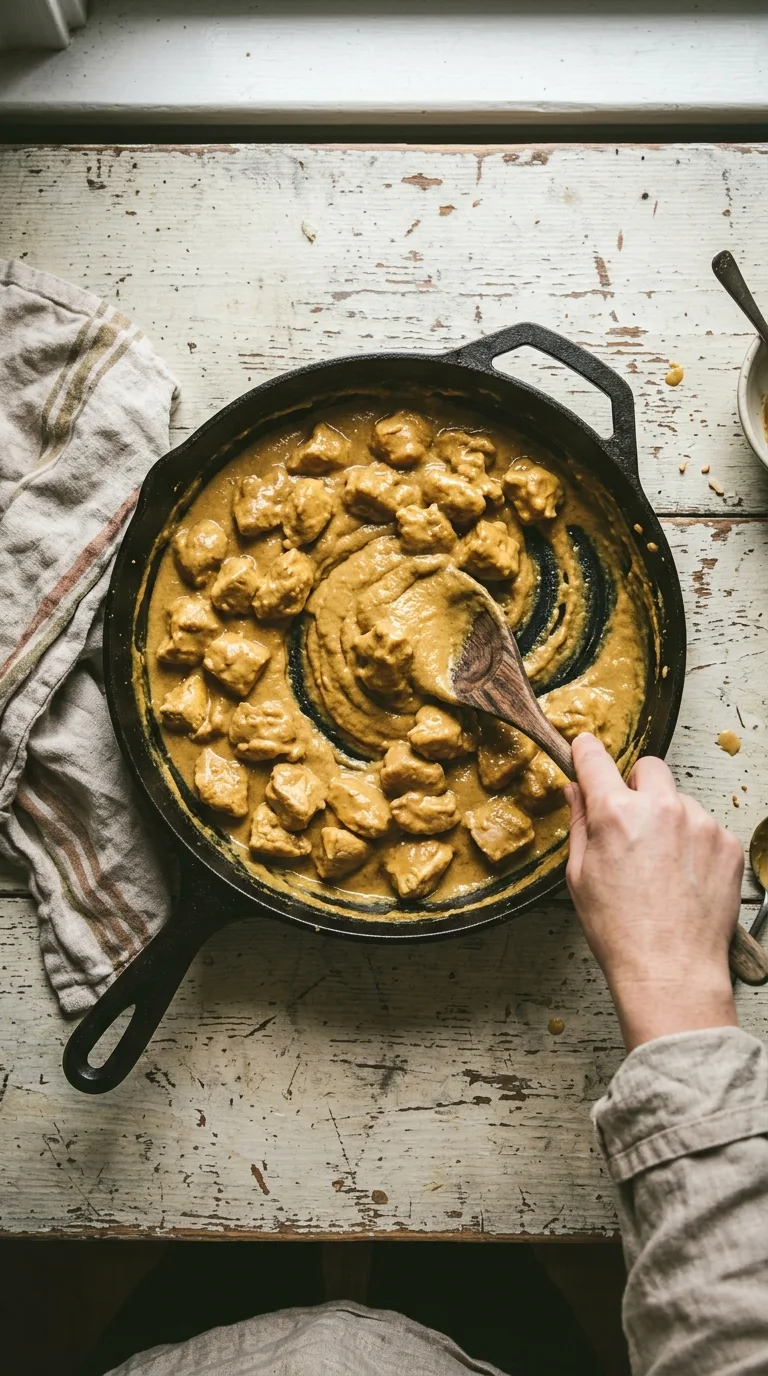
Add the peanut butter and brown sugar. Stir until the mixture is smooth and the peanut butter has dissolved completely into the sauce.
-
Simmer the sauce
Pour in the coconut cream mixture and bring it to a gentle simmer. Reduce the heat to medium-low and stir to combine. A low simmer prevents the coconut cream from splitting.
-
Cook the vegetables
Add the broccoli florets and carrot slices. Cover and simmer for 10 minutes. Ensure the chicken reaches an internal temperature of 74°C (165°F) and vegetables are tender.
-
Thicken and garnish
Stir in a cornstarch slurry if the sauce is too thin. Serve the curry over steamed jasmine rice. Garnish with coriander, sliced chili, and lime wedges to provide a fresh contrast.
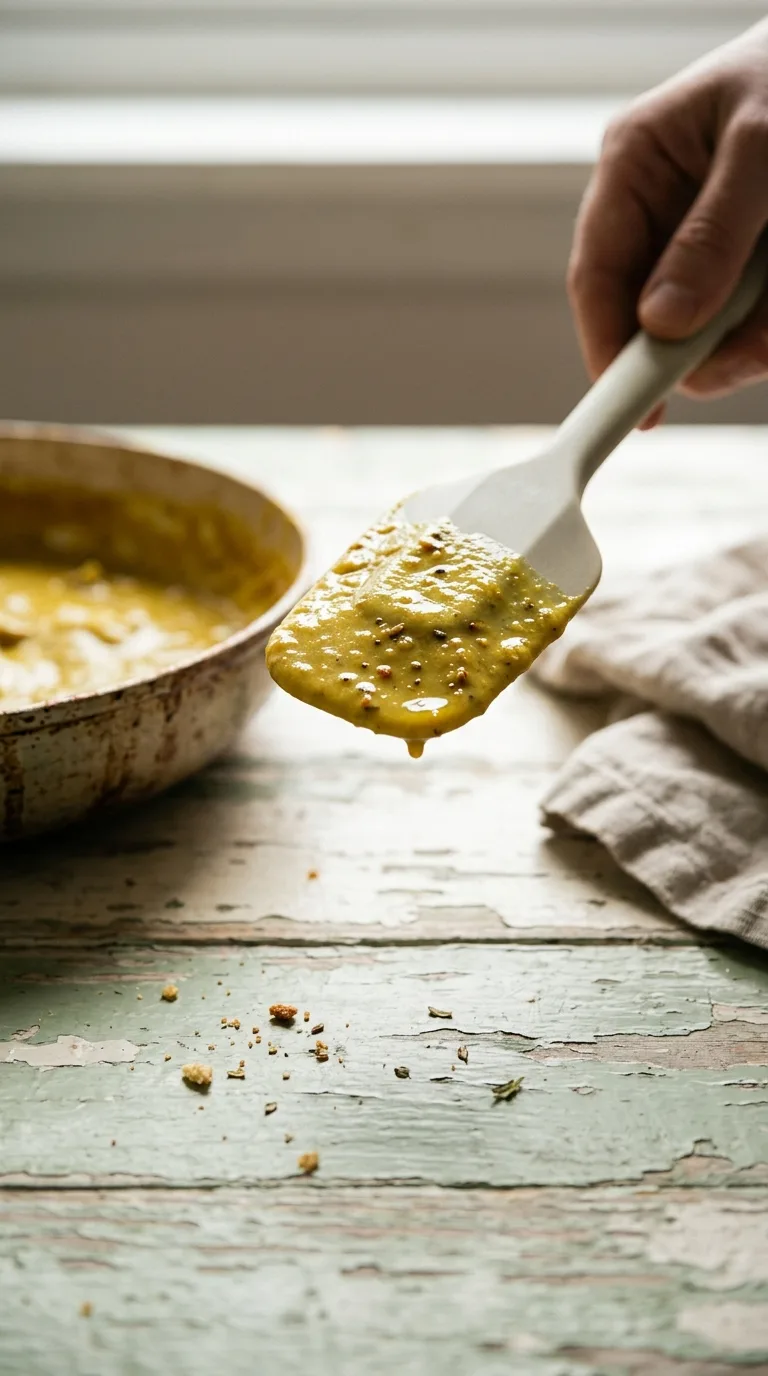
Watch the peanut butter as it heats. If the sauce starts to separate or look grainy, the temperature is too high. Keep the heat low and whisk constantly until the mixture fully emulsifies into a smooth, creamy consistency.
Yellow curry paste
Use a red curry paste if you cannot find yellow. Red paste provides a sharper heat and a deeper crimson colour, whereas yellow paste offers a milder, earthier profile. Do not omit the paste entirely, as it provides the fundamental aromatic base for the entire dish.
What to serve with it
Serve this curry over steamed jasmine rice for a classic pairing. You may also use stir-fried noodles for a heartier meal. For a refreshing contrast, add a simple cucumber salad or warm steamed buns to scoop up the creamy peanut sauce and tender chicken pieces.
Storing and reheating
Cover the curry tightly and store it in the refrigerator. You may freeze it in an airtight container for up to 3 months. Thaw the dish overnight in the refrigerator before reheating to ensure the coconut cream does not split and the chicken remains moist.
Nutrition per serving
- Calories
- 480
- Protein
- 32.5 g
- Carbs
- 18.2 g
- Fat
- 31.0 g
- Fiber
- 4.5 g
- Sugar
- 9.0 g
Estimated, and offered as a guide rather than a medical figure.
Made it? Rate it.
Questions people ask
Is satay sauce the same as curry sauce?
No. Satay sauce typically focuses on a peanut and lime profile used for dipping, while curry sauce incorporates a broader range of spices and coconut milk to create a simmered stew.
Why is chicken satay yellow?
The yellow colour comes from the yellow curry paste. This paste contains turmeric, which provides the distinct golden hue and a mild, earthy flavour to the sauce.
What meat goes best in yellow curry?
Chicken thighs are ideal because they remain tender during simmering. You can also use tofu or tempeh for a vegetarian version, as these absorb the creamy coconut and peanut flavours well.