Beef Short Ribs with Polenta: Slow-Braised Italian Beef
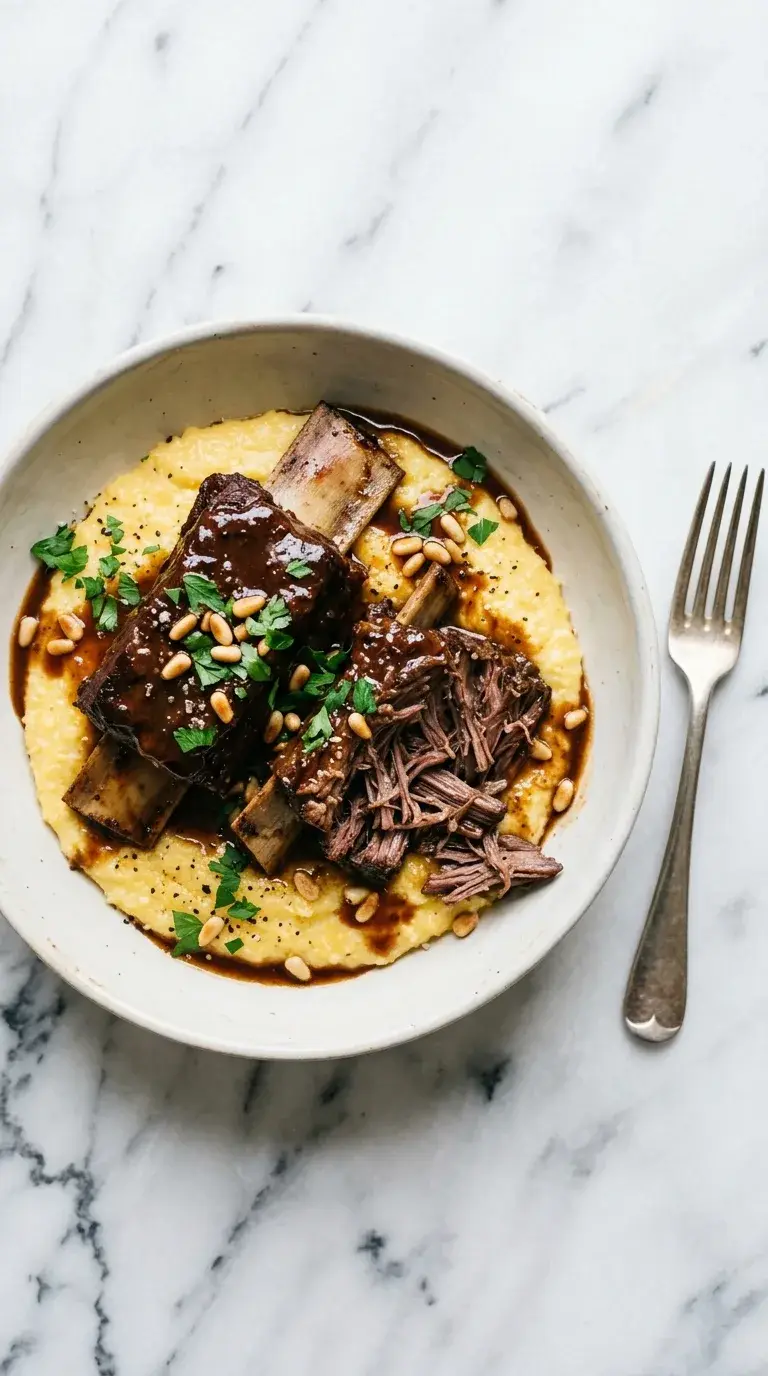
You make these beef short ribs with polenta by slow-braising the meat in a sauce of tomato paste and halal grape juice. Pat the ribs dry with paper towels before searing to ensure a deep golden-brown crust. This crust provides the essential depth of flavour for the entire dish. Finish by whisking cornmeal into simmering milk and water to create a velvet-smooth base that balances the richness of the beef.
Beef Short Ribs with Polenta: Slow-Braised Italian Beef
Recipe cardIngredients
Instructions
-
Sear the beef
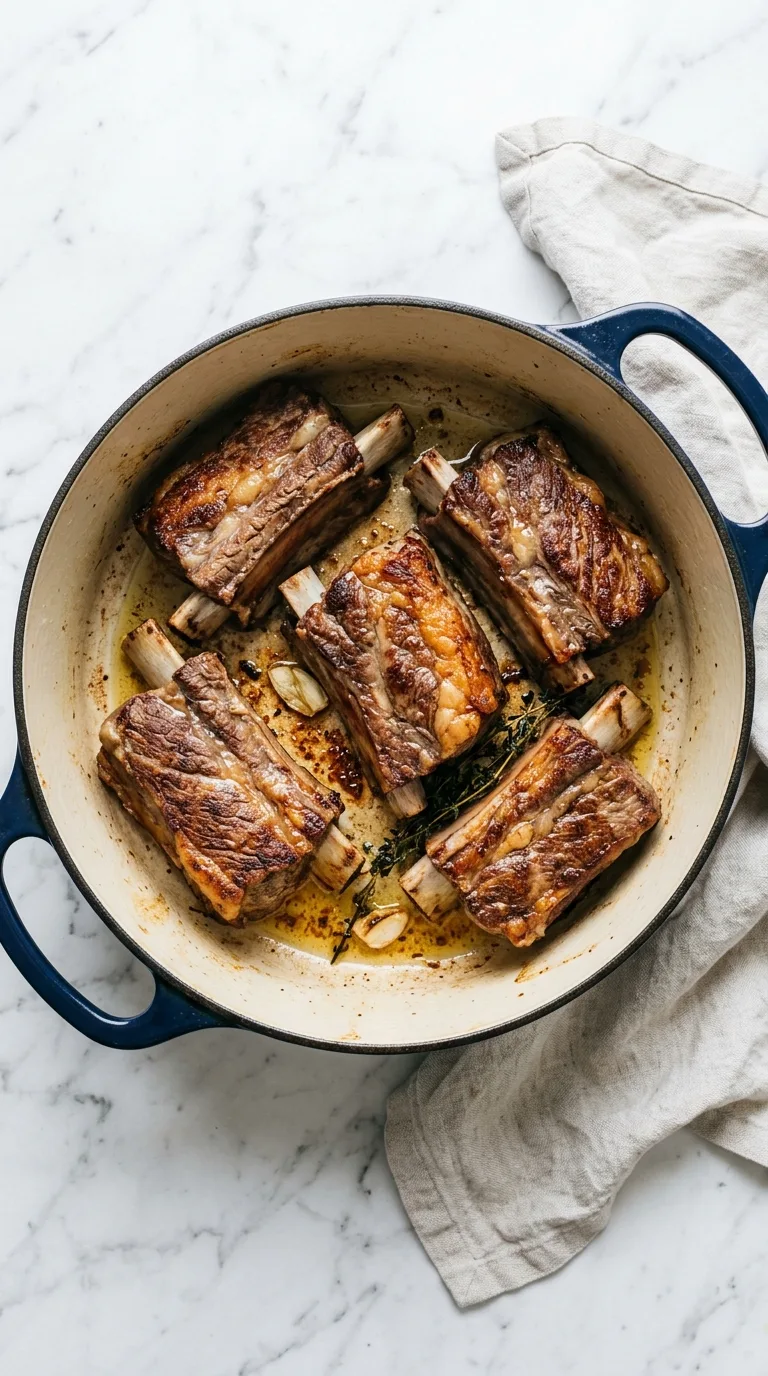
Season the short ribs with salt and pepper. Heat olive oil in a Dutch oven over medium-high heat and sear the ribs in batches for 4 minutes per side. You must create a deep golden-brown crust to develop a rich savoury depth.
-
Sauté the aromatics
Add the diced onion, carrot, celery, and garlic to the pot. Sauté for 5 minutes until the vegetables soften. Stir in the tomato paste for 1 minute to bloom the flavour before adding liquids.
-
Deglaze the pot
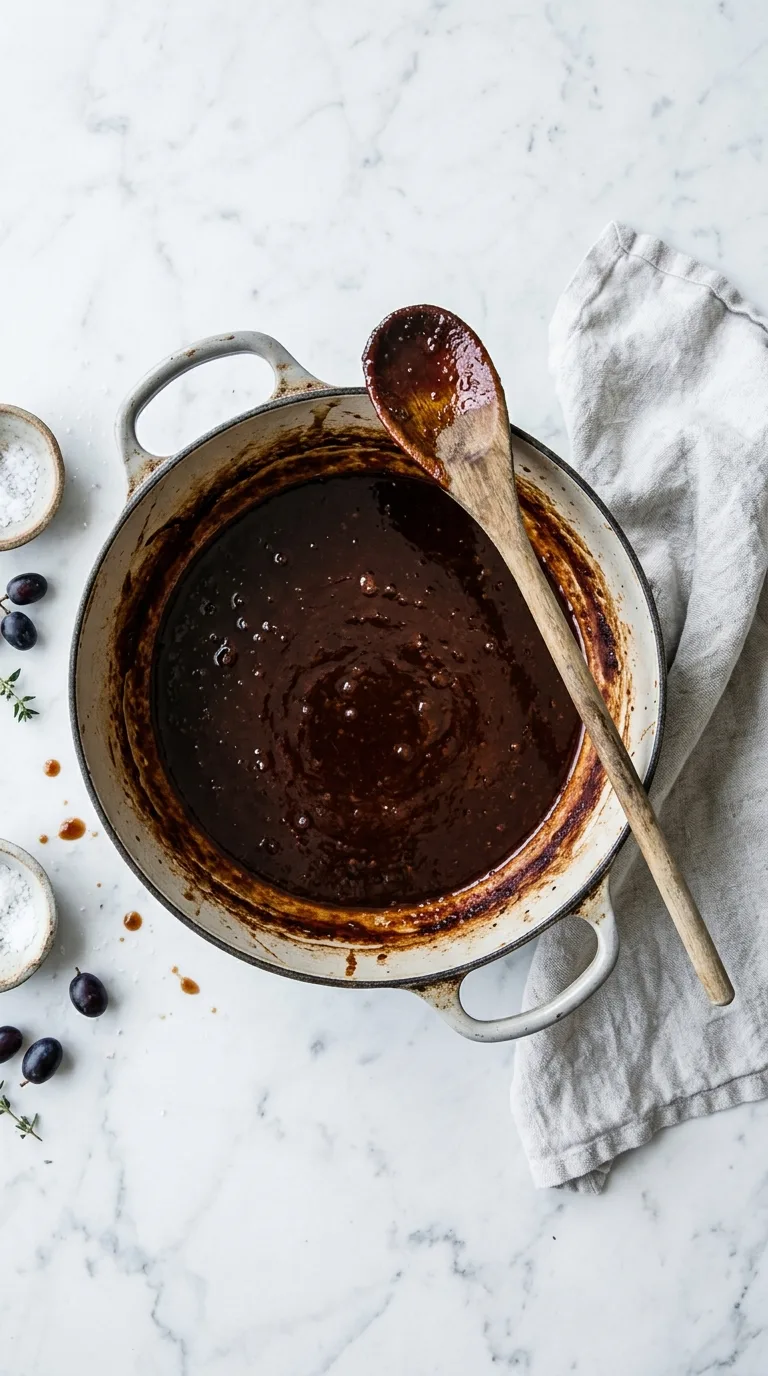
Pour in the grape juice and scrape the browned bits from the bottom with a wooden spoon. Reduce the liquid by half for roughly 4 minutes. This concentrates the sugars and adds a subtle sweetness to the sauce.
-
Braise the ribs
Return the ribs to the pot with beef stock, bay leaf, rosemary, and thyme. Cover tightly and transfer to an oven preheated at 163°C (325°F). Braise for 3 hours until the meat is fall-off-the-bone tender.
-
Cook the polenta
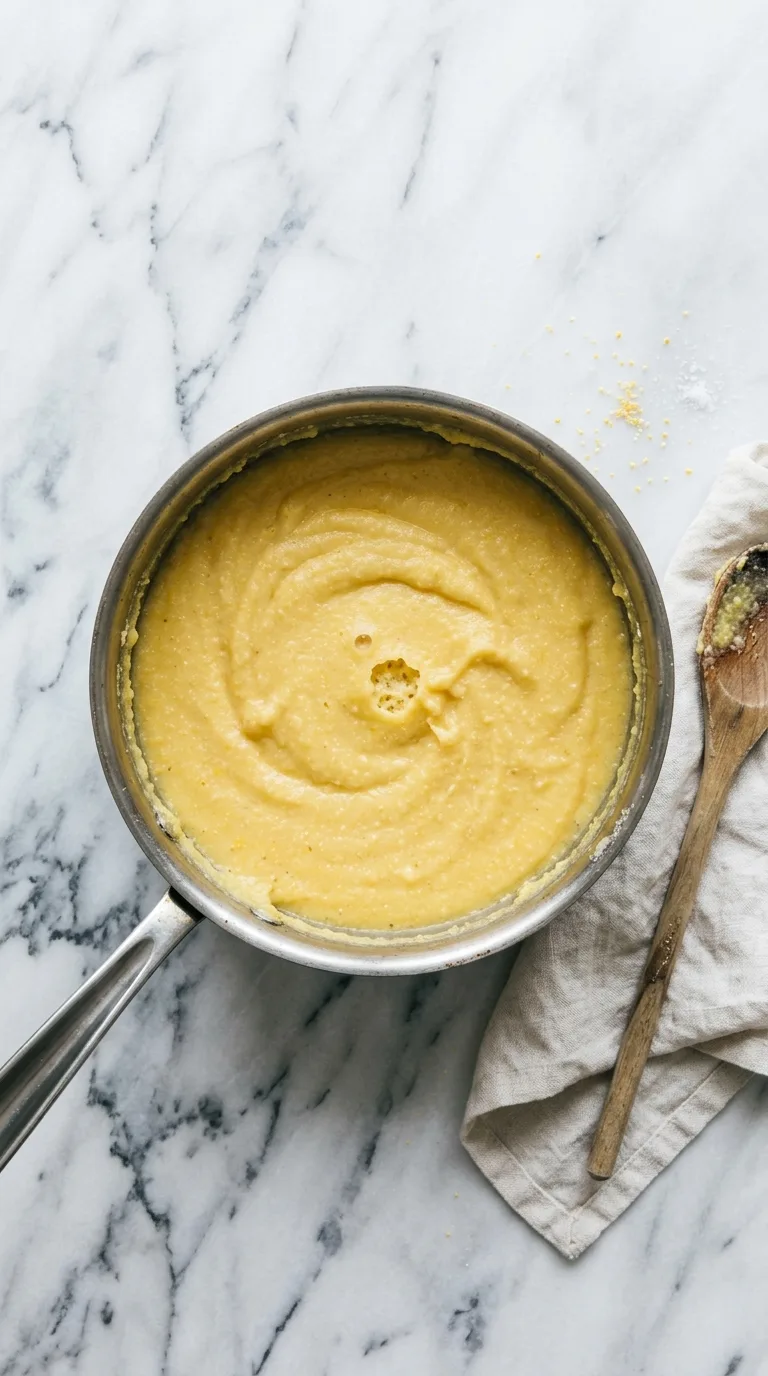
Simmer 240 ml (1 cup) water and 240 ml (1 cup) milk in a saucepan. Whisk in 1 cup yellow cornmeal slowly to avoid lumps. Stir frequently over low heat for 10 to 12 minutes until it reaches a creamy consistency.
-
Finish and serve
Stir butter and Parmesan into the polenta. Skim excess fat from the beef sauce and stir in 2 tbsp butter to brighten the flavour. Spoon the ribs and rich sauce over the velvet-smooth polenta.
Pat the ribs dry with paper towels before searing. If the meat is damp, it will steam instead of brown, preventing the deep crust required for a rich sauce. Ensure the oil is shimmering before adding the beef to avoid sticking.
What to serve with it
Pair these ribs with sautéed green beans or roasted Brussels sprouts to provide a bright, crunchy side. Serve a crusty gluten-free bread on the table. Use the bread to mop up the rich sauce. Garnish the final dish with fresh parsley and toasted pine nuts for a necessary textural contrast.
Storing and reheating
Store cooled leftovers in airtight containers in the fridge for up to 3 days. You may freeze them for up to 3 months. Reheat the beef and polenta in the oven or on the stovetop. Heat until the meat is warmed through and the sauce is bubbling.
Getting the texture right
Pat the ribs dry with paper towels before searing. This removes surface moisture so the meat can caramelise properly to form a deep golden-brown crust. Whisk the cornmeal into the liquid slowly. This prevents lumps from forming and ensures the polenta remains velvet-smooth and creamy.
Choosing the cut
Use bone-in beef short ribs for this braise. The bone adds depth to the sauce as it cooks. Slow-cooking the meat at 163 °C (325 °F) for 3 hours breaks down the tough connective tissues. This process ensures the ribs become fall-off-the-bone tender.
Nutrition per serving
- Calories
- 780
- Protein
- 42.5 g
- Carbs
- 28.2 g
- Fat
- 54.1 g
- Fiber
- 3.4 g
- Sugar
- 8.1 g
Estimated, and offered as a guide rather than a medical figure.
Made it? Rate it.
Questions people ask
Can I make this recipe dairy-free
Yes. Replace the whole milk with oat milk and use a dairy-free cheese substitute in the polenta. Use a plant-based butter or oil when brightening the sauce at the end to maintain the creamy texture without using animal milk products.
What if I want a stronger tomato taste
Add a can of diced tomatoes to the braising liquid. Stir these in with the beef stock and herbs before placing the pot in the oven. This increases the acidity and depth of the tomato flavour in the finished sauce.
Can I add a spicy element to the ribs
Yes. Add ½ tsp crushed red pepper flakes to the mirepoix while sautéing the vegetables. This introduces a gentle heat that cuts through the richness of the beef and butter, balancing the overall profile of the dish.