A Pantry Organization System That Actually Lasts
Most pantry makeovers fall apart in six weeks. Here is the four-zone system, container strategy, and reset routine that holds up for years.

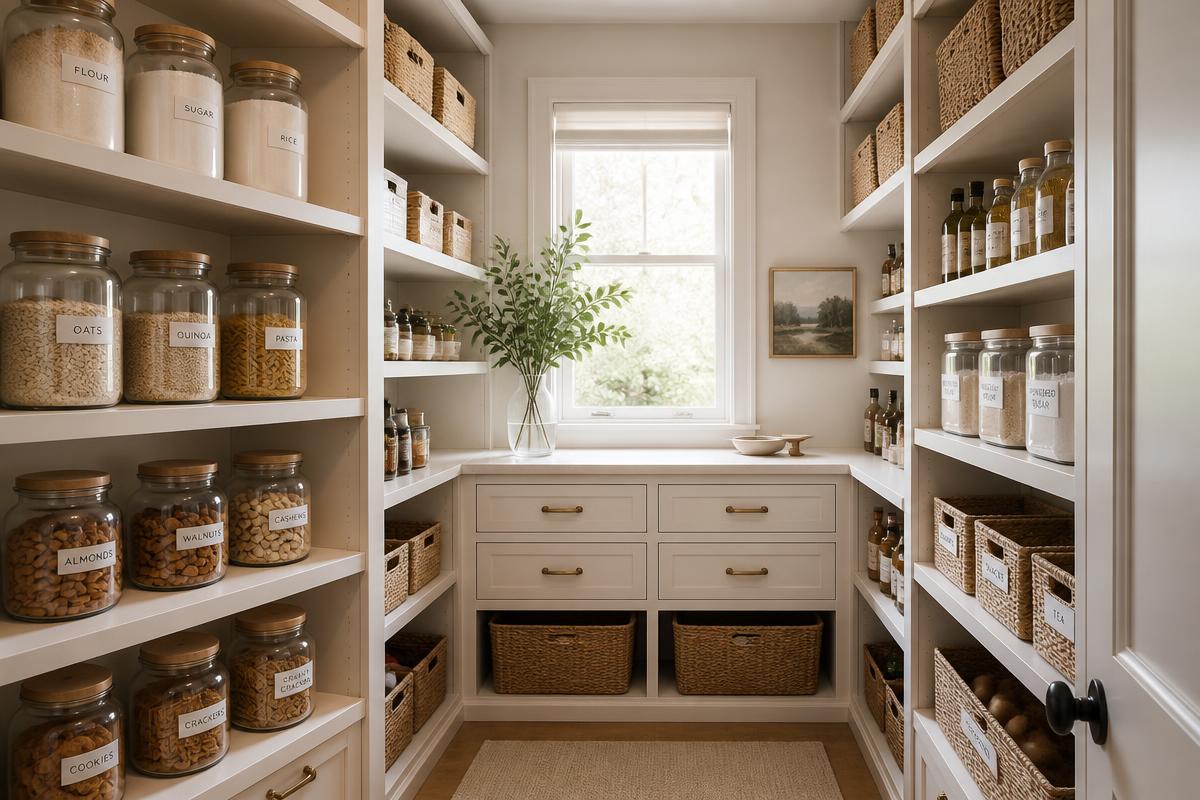
Pretty pantry photos sell containers. They do not, on their own, build a pantry that stays organized. The system below is unglamorous but it works — I have used it in three kitchens, including the 18-inch-wide cabinet in my current rental, and it survives weekly grocery hauls without collapsing.
Why pantry systems fall apart
Three reasons, in order of frequency:
- Containers don't match real shopping habits. A 32oz jar for a 5-pound bag of flour means the rest lives in its original bag anyway.
- No designated "incoming" zone. New groceries get shoved wherever there is space, breaking the system the moment they arrive.
- The system requires daily maintenance. If it takes more than 10 minutes a week to keep up with, it will not be kept up with.
The four-zone framework
Divide the pantry into four zones, regardless of size:
- Zone 1 — Daily (eye level). Breakfast items, coffee, snacks the household reaches for every day. Front and center.
- Zone 2 — Weekly cooking (waist height). Pasta, rice, beans, canned tomatoes, oils. The bulk of meal prep.
- Zone 3 — Baking and occasional (top shelf). Flour, sugar, baking powder, specialty items. Heavier or less-used.
- Zone 4 — Overflow and backstock (bottom shelf or floor). Bulk paper goods, sealed backup pantry staples, drinks.
Containers: what to buy, what to skip
Buy: a small set of square or rectangular airtight containers in two sizes — one that holds a standard 16oz package, one that holds a 32oz package. Square shapes don't waste shelf space the way round ones do.
Skip: matching-everything systems that cost $400+. They photograph well but discourage anyone else in the household from putting things back in the right place.
Use freely: woven or fabric bins for grouping loose items (snack bars, tea packets, kids' lunch supplies). They corral chaos without requiring perfection.
The label rule
Label anything that is not visually obvious. Skip labels on clear jars of pasta or beans — you can see what they are. Add labels on anything stored in a basket, on dry goods that look similar (flour vs. powdered sugar), and on the basket itself ("snacks", "breakfast bars"). Removable labels (chalk markers, vinyl) win over permanent ones every time.
The 10-minute weekly reset
Once a week, ideally right before the grocery run:
- Pull anything that has migrated out of its zone back into place.
- Wipe one shelf with a damp cloth.
- Note what is running low and add it to the list — this is what makes the pantry the source of truth for shopping.
- Toss one expired item. There is always one.
That is the entire maintenance burden. Ten minutes a week is sustainable. Two hours every six months is not.
Working with very small pantries
Most of the pantry advice online assumes a walk-in. The majority of real kitchens have a single 18–24 inch cabinet, or a narrow utility closet, or a few open shelves. The four-zone framework still applies; you just compress it. In a single cabinet, the top shelf becomes Zone 3 (baking and occasional), the middle two shelves become Zones 1 and 2, and the door interior or the floor below becomes Zone 4. Add a single pull-out drawer to the bottom shelf — this is the highest-impact $40 upgrade you can make in a small pantry because it turns a black-hole shelf into one you can actually see and reach.
Vertical risers (small step shelves that sit inside the cabinet) double the visible storage of any shelf for canned goods and short jars. Over-the-door wire racks add another 8–12 inches of usable depth for spices, foil, snack packets, and small bottles. Together, a $60 investment in risers and a door rack typically adds 30–40% functional capacity to a cabinet without any construction.
Grouping by recipe, not by category
Conventional advice groups items by type — all the cans together, all the pasta together. That works for grocery store inventory; it fails for actual cooking. The pantries that stay organized are grouped by recipe context. Keep the olive oil, vinegar, garlic, and pasta on the same shelf. Keep the soy sauce, sesame oil, rice vinegar, and noodles together. Keep the taco shells, refried beans, taco seasoning, and salsa together. The mental load of cooking drops dramatically when reaching for one ingredient pulls the rest into view.
Building a kid-and-partner-proof system
Any organization system that only one person in the household can maintain will fail. Three rules consistently make pantries work for everyone:
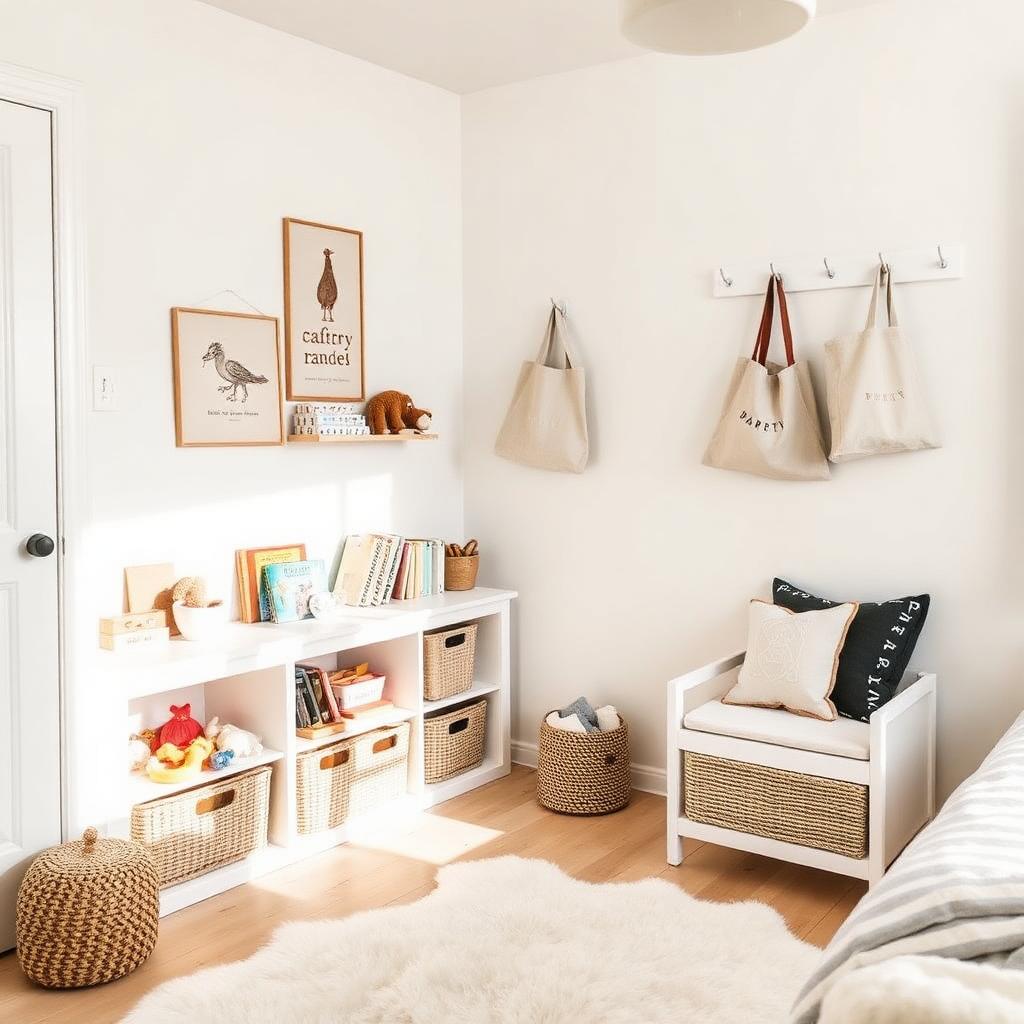
- Label the front of every basket and bin in large, plain text. Cursive labels look great in photos and are useless in practice.
- Keep the kid-snack zone at child height. If they can't reach it, you become the snack delivery service for the next decade.
- Don't require precise alignment. If putting an item back requires aiming, it will end up on the counter. Open bins beat fitted slots for items handled by anyone other than the person who designed the system.
Seasonal rotation and the once-a-year purge
Twice a year — usually after the December holidays and again at the end of summer — pull every item out of the pantry, wipe the shelves, and check dates. This is when you discover the four cans of pumpkin from two Thanksgivings ago. A two-hour seasonal reset, combined with the 10-minute weekly reset, is the entire long-term maintenance budget. Anything more elaborate than that will quietly stop happening within a year.
A practical pantry shopping list to start
If you are setting up a new pantry from scratch, this is the kit I recommend buying once and using for a decade: four to six matched square airtight containers in the 32oz size, two to three in the 64oz size, a set of three woven baskets sized to your shelf depth, one chalk marker, a small over-the-door wire rack, and a two-tier expandable shelf riser for canned goods. Total cost: $120–180. Anything beyond this kit is decoration, not function. Add pieces only when you can articulate the specific problem they solve.
Frequently asked questions
Frequently asked questions
- Should I decant everything into matching containers?
- No. Decant items you use frequently and that come in awkward packaging (flour, sugar, cereal, pasta). Leave shelf-stable items in their original packaging when it works fine — decanting everything is what makes the system unsustainable.
- What's the best way to organize a small pantry cabinet?
- Use a pull-out drawer for the bottom shelf, a tiered riser for canned goods, and clear bins for grouping snacks. The goal is to make the back of every shelf visible without unstacking anything.