How to Grow Herbs Indoors All Year Round
A practical guide to growing basil, mint, parsley, and other kitchen herbs indoors — even in low-light apartments.

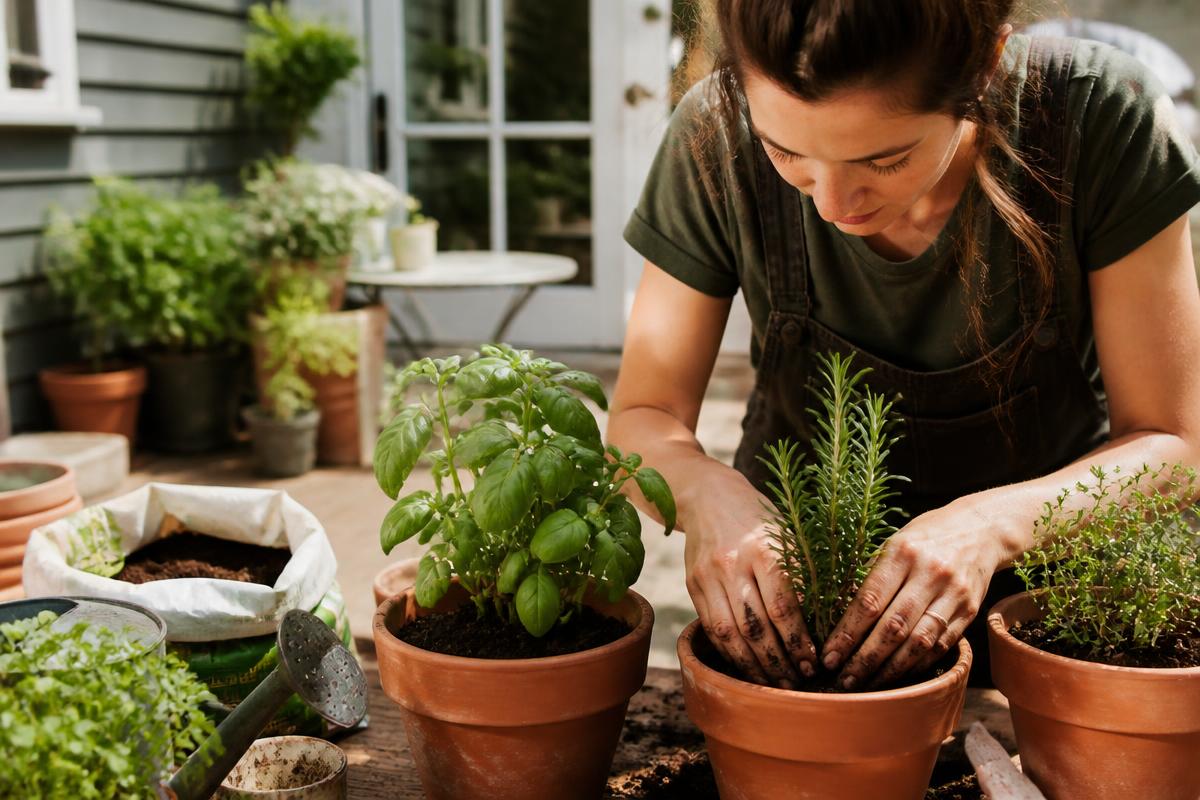
An indoor herb garden is the gateway drug to growing your own food. It's cheap, it's gratifying, and the difference between a sprig of basil cut 30 seconds ago and one bought a week ago is enormous. Here is how to make it actually work — including in apartments with limited light.
Best herbs for indoor growing
- Basil — fast-growing, sun-loving, the highest-reward herb.
- Mint — almost indestructible. Keep in its own pot; it bullies neighbors.
- Parsley — slow to start, then steady producer for 6+ months.
- Chives — tolerant of medium light, regrows after every cut.
- Thyme and oregano — slow-growing but very forgiving.
- Cilantro — fast, but bolts quickly. Sow new pots every 3 weeks.
Skip rosemary, sage, and lavender indoors unless you have a south-facing window and good airflow — they sulk and rot in typical kitchen humidity.
Light requirements
Most culinary herbs are Mediterranean and want 6+ hours of direct sun. A south- or west-facing window is ideal. If you don't have that, a simple LED grow light (under $40) on a 12-hour timer placed 6–12 inches above the plants will outperform any windowsill in a north-facing apartment.
Containers and soil
Use pots at least 6 inches deep with drainage holes. Standard potting mix works — avoid garden soil, which compacts in containers. Group herbs with similar water needs: basil and parsley together, thyme and oregano together, mint by itself.
Watering and feeding
Check daily by sticking a finger into the soil. Water when the top inch is dry. Feed every 2–3 weeks with a half-strength liquid fertilizer — indoor herbs are heavy producers and quickly exhaust container nutrients.
Harvesting for more growth
The single biggest mistake is harvesting too timidly. Pinch basil and mint stems just above a leaf node — this triggers two new branches. Harvest 1/3 of the plant at a time; never more than half. Frequent cutting makes the plant bushier and more productive.
Choosing and using a grow light
If your window light is marginal, a small LED grow light is the single upgrade that turns indoor herb growing from frustrating to reliable. Look for full-spectrum LEDs in the 20–40 watt range with a built-in timer or paired with a $10 outlet timer. Mount the light 6–12 inches above the canopy and run it for 12–14 hours a day. The plants should be lit but not hot — if you put your hand under the light for a minute and it feels warm, raise the fixture an inch.
Color temperature matters less than total light output. A 24-watt full-spectrum LED grow light typically costs $30–45 and uses pennies of electricity per month. Within two weeks of switching from a dim windowsill to a grow light, the difference in stem thickness, leaf color, and harvest volume is dramatic.
Common problems and fixes
- Yellowing lower leaves: usually overwatering. Let the top inch of soil dry between waterings and ensure pots drain freely.
- Leggy, pale stems: not enough light. Add a grow light or move closer to the brightest window in the house.
- Crisp brown leaf tips: air is too dry. Group pots together to create a small humidity microclimate, or set them on a tray of pebbles with water below the pebble line.
- Tiny white flies when leaves are disturbed: whiteflies or fungus gnats. Let the soil dry out more between waterings, and apply yellow sticky traps. A weekly spray of diluted neem oil knocks down most infestations within two weeks.
- Plants thriving but tasting bitter: the plant is starting to bolt (flower). Pinch off flower buds as they form and harvest more aggressively to encourage leaf growth instead.
A simple year-round rotation
The biggest mental block for new indoor growers is treating herbs like houseplants — keeping the same pot alive forever. They are short-lived crops, not heirlooms. Most culinary herbs are productive for 4–6 months indoors before they slow down. Build a simple rotation: every three months, sow a new pot of basil and cilantro from seed (both germinate in under a week), and replace the oldest, tiredest pot in your collection. Parsley, chives, thyme, and oregano can run longer — 8–12 months — before benefiting from a refresh.
Seeds are dramatically cheaper than supermarket plants. A $3 packet of basil seeds will keep you in fresh basil for two years if you sow a new pot every six weeks.
Using more of what you grow
The hardest part of indoor herb growing is not growing them — it's using them fast enough that the plant stays productive. A few habits help: keep a small pair of scissors next to the pots and snip into salads, eggs, pasta, and stir-fries by default; freeze excess basil and parsley in olive oil in ice cube trays; and once a month, blend any surplus into a quick herb sauce (chimichurri, salsa verde, pesto) that lasts a week in the fridge or three months in the freezer.
A 12-month herb calendar
Indoor herbs benefit from light planning across the year. In January and February, focus on slow-growing perennials — thyme, oregano, chives — that hold steady in low light. In March, start basil and parsley from seed; both will be in heavy production by May. April and May are prime for adding cilantro and dill in succession sowings every 2–3 weeks. Through summer, harvest aggressively and freeze surplus — basil pesto cubes, parsley in olive oil. From September through November, slow watering, top-dress pots with a thin layer of fresh compost, and start one final indoor basil pot under a grow light to carry through the holidays. By December, the kitchen window has a mature parsley plant, an established thyme, a vigorous mint, and a young basil — enough fresh flavor to make even January cooking feel alive.
A final note on expectations: even with a perfect setup, indoor herbs produce less than outdoor ones. Treat them as a fresh-finish supply (the handful of basil for tonight's pasta, the cilantro for tacos) rather than a primary crop. For volume cooking — pesto by the jar, chimichurri by the bottle — supplement with a few outdoor or balcony pots in summer and freeze the surplus.
Frequently asked questions
Frequently asked questions
- Can I grow herbs indoors without a grow light?
- Only with a south- or west-facing window that gets 6+ hours of direct sun. In any other situation, a small LED grow light will dramatically improve results.
- Why is my basil so leggy?
- Not enough light, and not enough harvesting. Move it to a brighter spot and pinch off the top sets of leaves regularly — basil bushes out only when cut.