Why You'll Love It
- - The crumb stays moist for days, thanks to a subtle butter‑oil blend
- - A silky glaze that settles with a gentle salty kiss
- - Simple pantry staples—no fancy gadgets required
- - Perfect for celebrations or a quiet afternoon tea
*"The caramel glaze is heavenly—soft enough to melt on my tongue, yet bold enough to keep me coming back."*
Essential Ingredient Guide
- Unsalted butter: Choose a high‑quality butter; it creates the tender crumb and rich flavor
- Heavy cream: Essential for the velvety caramel glaze; use it cold for easy whipping
- Sea salt flakes: Adds the signature contrast; a pinch is enough to awaken the sweetness
- Brown sugar: Gives depth and that classic caramel aroma
- Lemon juice: A splash balances the richness with a hint of brightness
- Vanilla bean: Scrape the seeds for a fragrant, natural sweetness
Complete Cooking Process
-
Ingredient Readiness:
Measure butter, sugar, and flour first; soften butter to room temperature for effortless creaming.
-
Flavor Development:
Caramelize the sugar slowly, allowing it to turn a deep amber before adding cream for the glaze.
-
Texture Control:
Do not over‑mix the batter after adding flour—just enough to combine for a tender crumb.
-
Finishing Touches:
Drizzle the warm glaze over the cooled cake, letting it pool softly into the layers.
-
Serving Timing:
Allow the glaze to set for about 10 minutes; the cake is best served at room temperature.
- Use a light hand when sprinkling sea salt—too much can overwhelm
- Cool the cake completely before glazing to avoid melting the glaze too fast
- Store leftovers loosely covered to keep the crust from drying out
Pro Tips
Well, these little adjustments keep the cake feeling fresh from the oven even after a day or two. I often find that a gentle reheating in the microwave for ten seconds revives that buttery softness, especially when the glaze has settled a bit too firmly. It’s those tiny moments—like hearing the soft sigh of the cake as it warms—that remind me why I love baking.
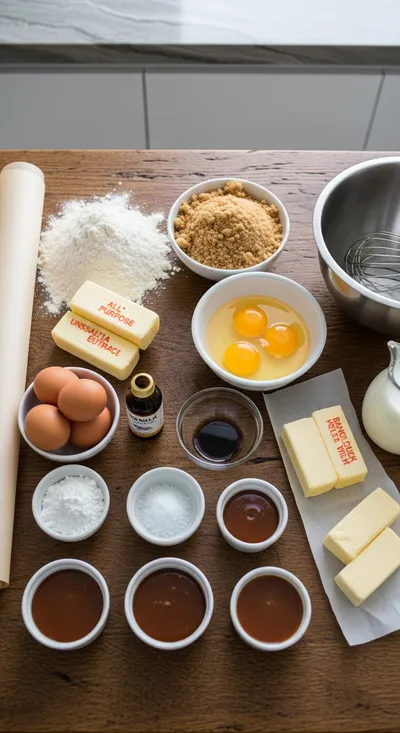
The essence of the dish:
A fun fact or historical angle:
Flavor or sensory focus:
You Must Know
- Do not over‑bake; the cake should spring back lightly
- Allow the glaze to thicken slightly before pouring
- A pinch of lemon juice in the glaze cuts any bitterness
Frequently Asked Questions
→ Can I make this cake gluten‑free?
Yes, substitute regular flour with a gluten‑free blend; the texture remains tender.
→ How long does the cake stay fresh?
Stored in an airtight container, it stays moist for up to 4 days at room temperature.
→ Can I add nuts to the batter?
Chopped toasted pecans or walnuts add a lovely crunch—fold them gently into the batter.
→ Do I need a stand mixer?
A sturdy hand mixer works fine; just be sure to cream butter and sugar thoroughly.
→ Is the glaze too sweet?
The pinch of sea salt balances the sweetness; you can reduce sugar by a tablespoon if preferred.
→ What’s the best way to reheat leftovers?
A quick 10‑second burst in the microwave revives the softness without drying the glaze.
Chef's Tips
If you prefer a deeper caramel flavor, let the sugar cook an extra minute before adding butter.,A light dusting of flaky sea salt on top adds visual appeal and a pleasant crunch.,For a richer glaze, swap half the heavy cream with condensed milk.
Nutrition Facts
per serving
420
Calories
5g
Protein
55g
Carbs
22g
Fat
Taste Profile
A sweet, buttery cake with a gentle salty bite that balances the richness.
Ingredient Substitutions
Don't have an ingredient? Try these alternatives
Will slightly alter flavor but keeps the crumb tender
Adds a subtle coconut note; may affect glaze thickness
Recipe Variations
Try these delicious twists on the original
Spicy Version
Add a pinch of cayenne pepper to the glaze for a surprising heat that lifts the caramel.
Mediterranean Style
Stir in finely chopped pistachios and a splash of orange blossom water into the batter for a fragrant twist.
Common Mistakes to Avoid
Learn from others' mistakes for perfect results
- Over‑cooking the caramel, which can turn bitter
- Adding glaze to a hot cake, causing it to run off
- Over‑mixing batter, leading to a dense crumb
Meal Prep & Storage
Make Ahead Tips
You can bake the layers up to two days ahead; store them wrapped in plastic. The glaze can be prepared and refrigerated; reheat gently before using.
Leftover Ideas
Reheat gently in a skillet over low heat with a splash of milk to restore softness, or enjoy cold with a dollop of whipped cream.
Perfect Pairings
Serve this with...
Cooking Timeline
Gather and measure all ingredients; preheat oven.
Cream butter and sugar, then add eggs and vanilla.
Combine dry and wet ingredients, pour into pans, and bake.
Prepare caramel glaze while cake cools.
Layer cake, drizzle glaze, let set, then slice and serve.
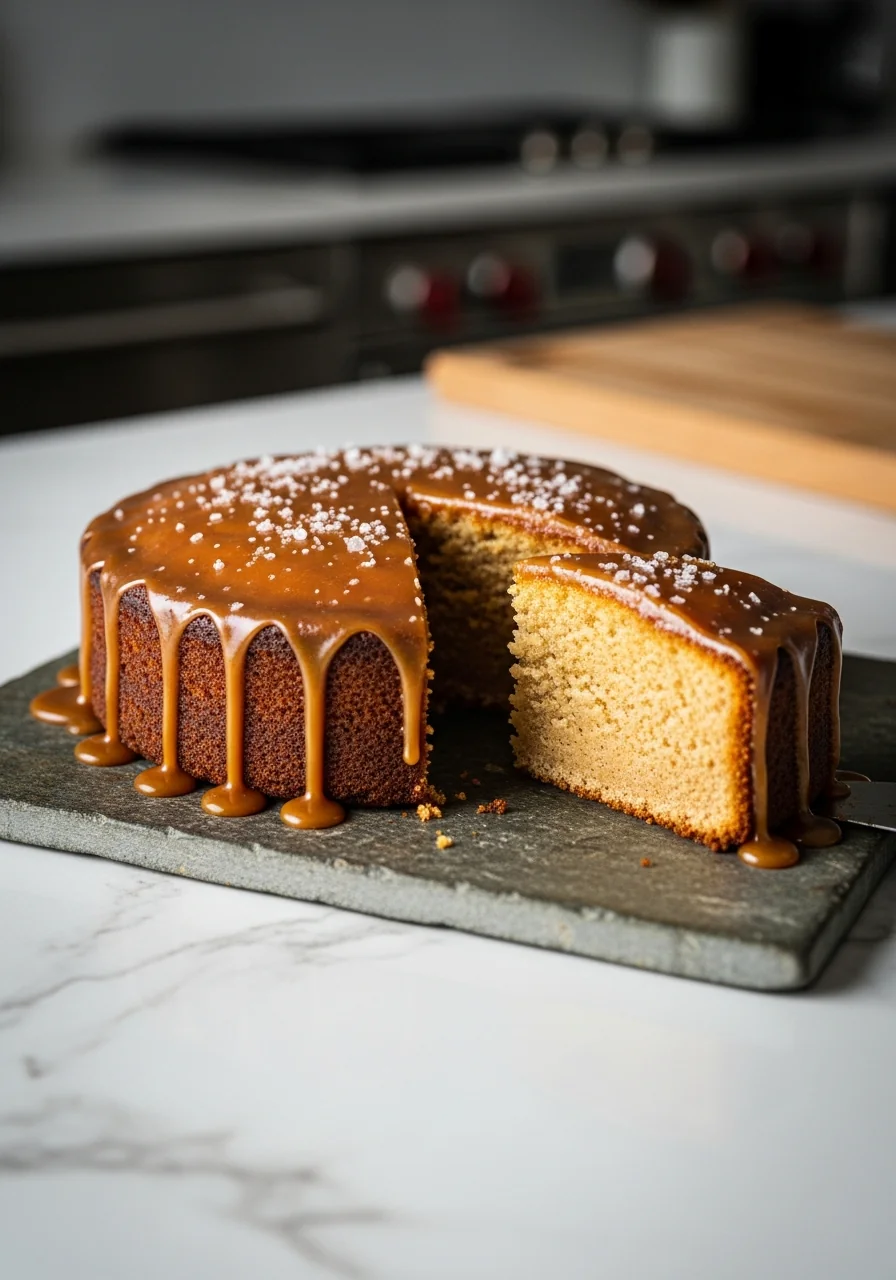
Salted Caramel Cake Recipe
Enjoy a moist salted caramel cake with a buttery crumb and rich caramel glaze—perfect for a sweet treat any time.
Timing
Prep Time
20 Minutes
Cook Time
30 Minutes
Total Time
50 Minutes
Recipe Details
Ingredients
Cake
- 01 2 cups all‑purpose flour
- 02 1 ½ cups granulated sugar
- 03 1 cup unsalted butter, softened
- 04 4 large eggs
- 05 ½ cup whole milk
- 06 2 tsp vanilla extract
- 07 1 tsp baking powder
- 08 ½ tsp baking soda
- 09 ¼ tsp salt
Salted Caramel Glaze
- 01 1 cup brown sugar
- 02 ½ cup heavy cream
- 03 ¼ cup unsalted butter
- 04 1 tsp sea salt flakes
- 05 ½ tsp vanilla extract
- 06 1 tsp lemon juice
Instructions
Preheat the oven to 350°F (175°C). Grease and line two 8‑inch round cake pans; set aside.
In a large bowl, cream the butter and sugar together until light and fluffy, about 4 minutes. I mean, this is where the kitchen fills with that warm, sweet aroma.
Add eggs one at a time, beating well after each; then stir in vanilla and lemon juice. The batter should look glossy.
Whisk flour, baking powder, baking soda, and salt together. Gradually fold the dry ingredients into the butter mixture, alternating with the milk, until just combined.
Divide batter evenly between the prepared pans. Bake for 25‑30 minutes, or until a toothpick inserted comes out clean. Oops, watch that! Let cool in pans for 10 minutes, then transfer to a wire rack.
To make the glaze, melt brown sugar over medium heat, stirring until it becomes a deep amber. Carefully whisk in butter, then slowly drizzle in heavy cream—watch the steam rise. Add sea salt, vanilla, and lemon juice; simmer 2 minutes until glossy.
Place one cake layer on a serving plate, pour half the glaze over it, letting it soak in. Top with the second layer and drizzle the remaining glaze, allowing it to cascade over the sides.
Allow the glaze to set for about 10 minutes before slicing. Serve at room temperature and enjoy the buttery, salty bliss.
Notes & Tips
- 1 If you prefer a deeper caramel flavor, let the sugar cook an extra minute before adding butter.
- 2 A light dusting of flaky sea salt on top adds visual appeal and a pleasant crunch.
- 3 For a richer glaze, swap half the heavy cream with condensed milk.
Tools You'll Need
-
Two 8‑inch round cake pans
-
Electric mixer
-
Saucepan
-
Wire rack
-
Spatula
-
Measuring cups and spoons
Must-Know Tips
- Do not over‑mix after adding flour – it keeps the crumb tender
- Let the cake cool completely before glazing – prevents the glaze from running off
- Use a heat‑proof brush for an even glaze layer
Professional Secrets
- Room temperature butter creates a smoother batter, ensuring even rise
- Caramelizing sugar slowly develops a deeper, more complex sweetness
- Resting the glaze off‑heat allows the butter to emulsify perfectly

Recipe by
OliviaOlivia is the creative heart behind Your Website’s ever‑growing collection of home‑cooked classics and modern twists. A graduate of the Culinary Insti ...
Get Delicious Recipes Weekly
Join 25,000+ home cooks getting our best recipes straight to their inbox.
Free forever • No spam • Unsubscribe anytime