Bathroom Renovation on a Budget: Where to Save and Where to Splurge
A line-by-line breakdown of where to save and where spending pays off in a small bathroom renovation.

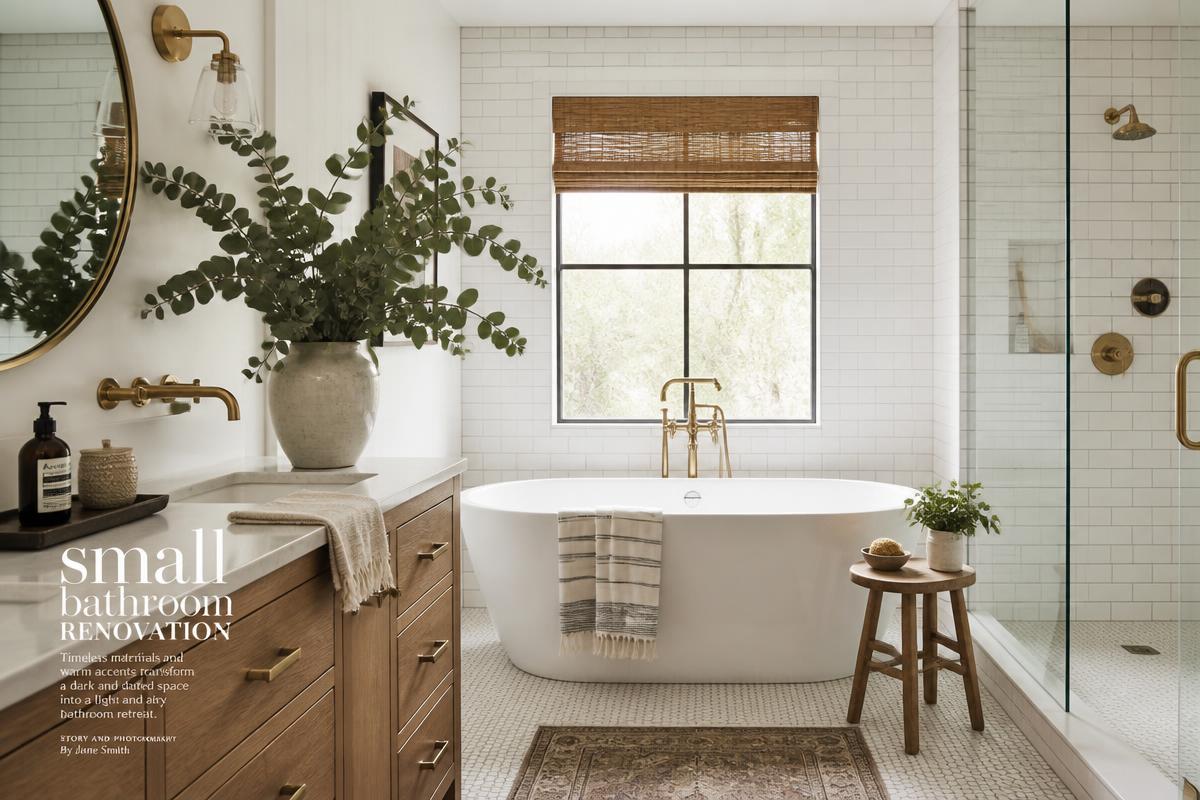
A small bathroom renovation in 2026 averages $12,000–18,000 for a mid-range refresh. Where that money goes determines whether you end up with a bathroom that looks great for ten years or starts showing wear in two. Here is where I consistently see the smartest spending decisions.
Budget reality
The single biggest cost-control decision: don't move plumbing. Toilets, showers, and vanities that stay in place cut labor and demolition costs by 30–50%. If the layout is workable, leave it.
Where to splurge
- The shower valve. A quality pressure-balanced or thermostatic valve from a major brand (Grohe, Hansgrohe, Delta) lasts decades. A cheap valve will fail and cost more to replace than it saved.
- Vent fan. Pay for a quiet, properly sized fan ducted to the outside. A bad bathroom fan ruins paint, finishes, and indoor air quality.
- Tile installation labor. Bad tile work is visible forever. Skilled labor is worth every dollar.
- Toilet. A quality two-piece toilet at $300–500 has a meaningfully better flush and durability than a $150 builder-grade unit.
Where to save
- Tile itself. A 4x12 white ceramic subway tile at $2/sq ft installed by a skilled tile setter looks better than an expensive tile installed poorly.
- Vanity. Big-box stock vanities have improved enormously. A $400–700 stock vanity with a stone top is hard to distinguish from a $2,500 custom one.
- Mirror and accessories. Frame a builder-grade mirror with $30 of trim, or buy unbranded fixtures that match your splurge fixtures in finish.
- Lighting. Quality LED sconces and vanity bars are available under $100. Splurge here only if you want a statement fixture.
DIY vs. pro
Reasonable DIY: painting, vanity install, mirror, accessories, simple tile floors. Hire out: plumbing rough-ins, tile waterproofing in showers, electrical, and tiled shower walls. Failed waterproofing behind shower tile is the most expensive DIY mistake in bathroom renovations.
A realistic timeline
A small bathroom renovation rarely takes as long as you expect on paper and almost always takes longer than the contractor estimates. A typical mid-range remodel, assuming no plumbing relocation and one general contractor managing the trades, runs 2–4 weeks of active work spread over 4–6 weeks of calendar time. The schedule breaks down roughly as: 2–3 days of demolition, 3–5 days of rough plumbing and electrical, 1–2 days of drywall and waterproofing, 3–5 days of tile setting and grouting, 2–3 days of finish plumbing and fixtures, and 1 day of final paint and trim. Build in a buffer week for inspections, special-order delays, and the inevitable surprise behind the wall.
Design decisions that age well
The bathrooms that still look good ten years after the renovation share a few common choices. Stick to a tight, neutral palette for the permanent surfaces — white or pale subway tile, light stone or large-format porcelain on the floor, a wood or simple painted vanity. Bring color and personality through replaceable elements: a painted accent wall, a bold mirror, art, a shower curtain, fresh hand towels. The cost to refresh those in five years is a few hundred dollars; the cost to refresh trendy permanent tile is the entire renovation again.
Two finishes worth committing to: a matte black, brushed nickel, or unlacquered brass for fixtures (all three are at the durable end of trend cycles), and a single hardware finish across the entire bathroom. Mixing finishes can look great but is the most common place DIY renovations look "off" without anyone being able to articulate why.
Hidden costs that blow budgets
Five line items consistently surprise first-time renovators:
- Subfloor repair — water damage under the toilet or shower is common in older homes and only visible after demolition. Budget $500–1,500 contingency.
- Electrical to code — older bathrooms often need new GFCI outlets, a dedicated circuit, and code-compliant lighting. $400–1,200.
- Permits and inspections — required for any plumbing or electrical work. $200–600 depending on jurisdiction.
- Waterproofing — done properly with a sheet membrane or rolled-on system, not just cement board and thinset. $400–800 of materials plus labor. The most important $1,000 you can spend in the project.
- Disposal — dumpster rental and haul-away. $300–600.
A reasonable rule: add 15–20% to whatever the initial contractor quote says, and treat that as your real budget.
Small accessibility choices that pay off long term
Even if no one in the household currently needs accessibility features, three small choices make a bathroom dramatically more usable as people age and add almost nothing to the cost when included during the renovation: blocking inside the walls for future grab bars (a few 2×6s between studs, around $30), a curbless or low-curb shower entry instead of a tub, and a comfort-height toilet (17–19 inches vs. the older 14–15 inch standard). Adding any of these later is expensive; including them now is essentially free.
Choosing a contractor without getting burned
Get at least three written quotes for any bathroom over $5,000 in scope. Each quote should itemize labor and materials separately, name the specific fixtures and tile being installed, list the waterproofing system used in the shower, and state a not-to-exceed allowance for surprises behind the wall. Beware of bids dramatically lower than the others — the missing dollars almost always reappear later as change orders. Ask for and actually call two references whose bathrooms were completed at least a year ago; you want to hear how the work held up, not just how the contractor behaved during the job. A licensed, insured contractor with a year-old happy reference is worth a 10–15% premium over the cheapest bid every time.
One final guideline: don't renovate a bathroom you plan to leave within two years unless it is unusable. The financial return on a cosmetic bathroom remodel at sale is usually 50–70% of cost, which means you are buying enjoyment, not equity. If you'll live with it for five-plus years, the math and the daily quality-of-life return both work clearly in your favor.
The bathrooms readers are happiest with a year later almost all share the same pattern: they spent on the things hidden behind the wall, saved on the things visible on it, and resisted at least one trend their designer suggested. That combination ages better than any specific tile or fixture choice.
Frequently asked questions
Frequently asked questions
- How much does a small bathroom renovation cost in 2026?
- A mid-range cosmetic renovation runs $12,000–18,000 nationally, with full gut renovations including plumbing changes reaching $25,000–35,000. Coastal cities and dense urban markets run 30–50% higher.
- Is it worth replacing the toilet during a bathroom remodel?
- Yes. New toilets use 1.28 gallons per flush vs. 3.5+ in pre-1994 models, flush better, and last 20+ years. The labor is already on site.